
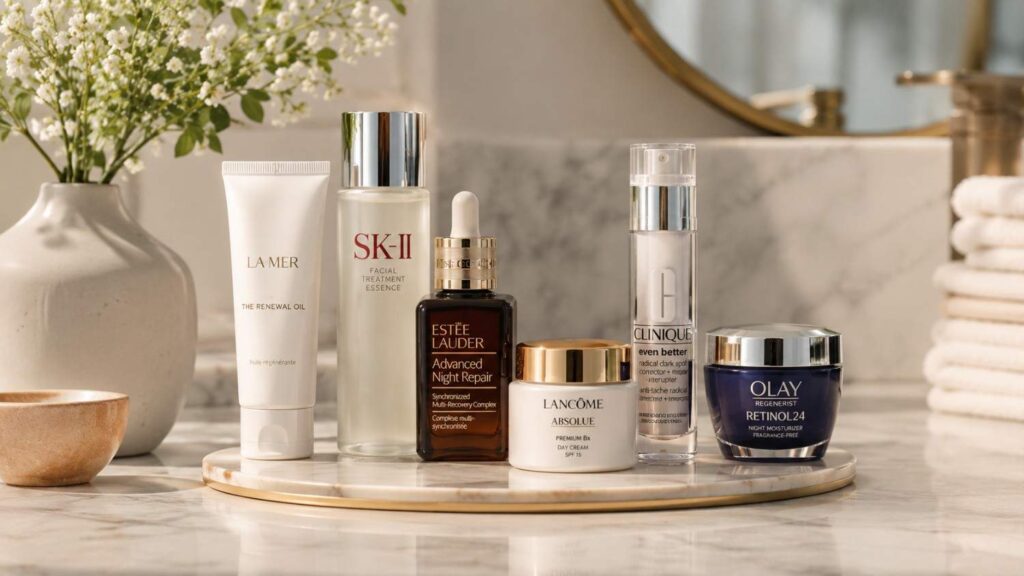
The Best Anti-Aging Products: A Practical Guide for Healthier Looking Skin
Choosing The Best Anti-Aging Products can feel overwhelming because the skincare market is full of creams, serums, oils, masks, and treatments that promise smoother and younger-looking skin. Some products are helpful, while others mainly rely on attractive packaging and strong marketing claims. The smartest approach is to understand which ingredients have real value, what each product type can do, and how to use them in a balanced routine.
Anti-aging skincare is not about stopping aging completely. It is about supporting healthier-looking skin, reducing visible dryness, improving uneven texture, softening the look of fine lines, and protecting the skin from further damage. A strong routine should focus on prevention, repair, hydration, and skin barrier support. That is why products such as sunscreen, retinol, vitamin C serum, moisturizer, hyaluronic acid, niacinamide, and gentle exfoliants are often recommended in professional skincare guidance.
This guide explains how to choose anti-aging skincare products with confidence. It covers the most useful product categories, how they work, what to use in the morning and at night, and how to avoid common mistakes. The goal is to help beginners build a simple routine while giving more experienced skincare users enough detail to make better product decisions.
Why Anti-Aging Products Work Best as a Routine
Anti-aging products work best when they are used as part of a complete skincare routine rather than as one isolated product. A single anti-aging cream may help with dryness or texture, but it cannot protect your skin from daily UV exposure, support collagen-related concerns, improve uneven tone, and repair the skin barrier all at once. Each product category has a different role, and those roles work together when the routine is planned properly.
The foundation of any anti-aging skincare routine should be protection and consistency. Sunscreen helps protect against UV damage. Moisturizer supports the skin barrier. Retinol and retinoids help improve the look of fine lines, texture, and discoloration. Vitamin C serum helps with brightness and antioxidant support. Hydrating ingredients such as hyaluronic acid and glycerin make the skin look smoother and more comfortable. Niacinamide can support tone, pores, and barrier health.
A balanced routine also reduces irritation. Many people make the mistake of buying several active products and using them all at once. This can lead to redness, peeling, dryness, and sensitivity. A better approach is to build the routine step by step. Start with the basics, then add targeted treatments slowly. This method is easier to follow and gives the skin time to adjust.
Aging Skin Needs Protection, Repair, and Hydration
Aging skin usually needs three types of support: protection, repair, and hydration. Protection comes mainly from sun protection because UV exposure is one of the biggest contributors to visible skin aging. The American Academy of Dermatology explains that sun protection can reduce premature signs of aging such as age spots, sagging, and wrinkles.
Repair comes from ingredients such as retinol, retinoids, vitamin C, peptides, and exfoliating acids. These ingredients can help improve the appearance of texture, uneven tone, and fine lines when used correctly. Hydration comes from moisturizers, hyaluronic acid, glycerin, ceramides, and occlusive ingredients that help reduce dryness and support comfort.
When these three areas are covered, the skin usually looks healthier and more balanced. This is why The Best Anti-Aging Products are not always the strongest products. They are the products that work together without damaging the skin barrier.
What Results You Can Realistically Expect
Anti-aging skincare can improve the appearance of fine lines, dullness, uneven tone, rough texture, dryness, and mild discoloration. However, it is important to keep expectations realistic. No over-the-counter cream can completely remove deep wrinkles, lift sagging skin like a procedure, or reverse years of sun damage overnight. Mayo Clinic notes that ingredients such as retinol, vitamin C, niacinamide, peptides, and hyaluronic acid are commonly found in wrinkle creams, but results depend on the product, consistency, skin type, and depth of the concern.
Most visible skincare results take time. Hydrating products may make the skin look smoother quickly, but retinol, vitamin C, and tone-correcting ingredients usually need several weeks or months of steady use. In my experience, the people who see the best results are the ones who keep their routine simple, use sunscreen daily, and avoid changing products too often.
Best Anti-Aging Product Types to Build Around
The Best Anti-Aging Products usually fall into a few important categories. These include sunscreen, retinoids or retinol, vitamin C serum, moisturizer, hydrating serum, niacinamide, and gentle exfoliating acids. You do not need every trendy ingredient on the market. What you need is a routine that covers the core needs of aging skin in a safe and practical way.
A good anti-aging routine should start with sunscreen and moisturizer. These two products protect the skin and support the skin barrier. Once those basics are in place, you can add targeted treatments based on your goals. If fine lines and texture are your main concerns, retinol may be useful. If dullness or uneven tone is the issue, vitamin C and niacinamide may help. If dryness makes your skin look tired, hyaluronic acid and ceramide-rich moisturizers can make a big difference.
Choosing products by category also helps prevent unnecessary spending. Many skincare products use different marketing names but rely on similar ingredients. When you know what each product type does, you can compare formulas more clearly and avoid buying multiple products that perform the same function.
| Ingredient | Main Benefit | Best For | Time to Use | Beginner Friendly |
|---|---|---|---|---|
| Broad-Spectrum SPF 30+ | Protects against UVA/UVB damage and photoaging | Everyone | Morning | ✅ Yes |
| Retinol | Improves fine lines, texture, and skin renewal | Wrinkles and uneven texture | Night | Start slowly |
| Vitamin C | Brightens skin and supports antioxidant protection | Dullness and dark spots | Morning | ✅ Yes |
| Hyaluronic Acid | Boosts hydration and plumps skin | Dry and dehydrated skin | Morning or Night | ✅ Yes |
| Niacinamide | Strengthens skin barrier and improves uneven tone | Sensitive, oily, or combination skin | Morning or Night | ✅ Yes |
| Ceramides | Repairs and protects the skin barrier | Dry and mature skin | Morning or Night | ✅ Yes |
| AHAs (Glycolic/Lactic Acid) | Gently exfoliates and smooths texture | Rough or dull skin | Night (1–2 times weekly) | Use carefully |
Broad-Spectrum Sunscreen
Broad-spectrum sunscreen is one of the most important anti-aging products because it helps protect the skin from UV radiation. The FDA explains that broad-spectrum sunscreens help protect against both UVA and UVB rays. UVA rays are linked with skin aging, while UVB rays are more closely linked with sunburn.
For daily anti-aging skincare, choose a broad-spectrum sunscreen with SPF 30 or higher. The texture matters because you are more likely to use sunscreen consistently if it feels comfortable on your skin. Dry skin may prefer a creamy sunscreen. Oily or acne-prone skin may prefer a lightweight gel, fluid, or oil-free formula. Sensitive skin may do better with mineral filters such as zinc oxide or titanium dioxide.
Sunscreen should be used every morning as the final skincare step. It is especially important when using retinol, vitamin C, or exfoliating acids because these products are part of a routine that depends on daily protection.
Retinoids and Retinol Products
Retinoids and retinol products are among the most useful anti-aging skincare options for fine lines, uneven texture, mild pigmentation, and dullness. The American Academy of Dermatology says products containing retinoids may be a good option for people with mild fine lines, mild pigmentation irregularities, or mild acne.
Retinol is a milder over-the-counter form of vitamin A. Retinoids can also include stronger prescription options such as tretinoin. Because these products can cause dryness, peeling, and irritation, beginners should start slowly. A common approach is to use retinol two or three nights per week, followed by moisturizer.
Do not combine retinol with every active product in the same routine. Strong exfoliating acids, harsh scrubs, and multiple brightening treatments can increase irritation. Retinoids should also be avoided during pregnancy unless a qualified healthcare professional gives specific guidance. For most people, slow and steady use gives better results than aggressive application.
Vitamin C and Antioxidant Serums
Vitamin C serum is a popular anti-aging product because it supports brighter-looking skin and helps defend against oxidative stress. Harvard Health explains that clinical studies have shown topical vitamin C can improve the appearance of fine and coarse wrinkles and improve overall skin texture when used consistently for at least several months.
Vitamin C is often used in the morning before sunscreen. This makes sense because antioxidants and sunscreen work well together in a protective routine. Look for packaging that protects the formula from light and air, such as dark glass or airless packaging. Vitamin C can become unstable when exposed to oxygen, heat, or sunlight.
People with sensitive skin may find pure L-ascorbic acid irritating. In that case, a gentler vitamin C derivative may be easier to tolerate. The key is to choose a formula that your skin can use consistently without stinging, redness, or dryness.
Supporting Products for Hydration, Barrier Repair, and Tone
Supporting products are just as important as active anti-aging treatments. Many people focus only on retinol or vitamin C, then wonder why their skin feels dry, tight, or irritated. The reason is simple: active ingredients work best when the skin barrier is healthy. A weak or irritated barrier can make fine lines look more noticeable and can make the skin react badly to otherwise useful products.
Hydration and barrier repair products include moisturizers, ceramides, glycerin, hyaluronic acid, niacinamide, and soothing ingredients. These products help the skin feel comfortable and look smoother. They also make it easier to tolerate retinol, exfoliating acids, and other stronger treatments.
Tone-supporting ingredients such as niacinamide and vitamin C can help with uneven-looking skin, dullness, and dark spots. However, these ingredients still need sunscreen to be effective in a complete routine. Without daily sun protection, discoloration can return or become harder to improve.
When choosing supporting products, focus on texture and compatibility. Dry skin often needs a richer cream. Oily skin may prefer a gel moisturizer. Sensitive skin usually benefits from fragrance-free formulas. The best supporting product is one you can use daily without irritation.
Moisturizers with Ceramides and Glycerin
A good anti-aging moisturizer supports the skin barrier, reduces dryness, and helps the skin look smoother. This is important because dry skin can make fine lines appear more visible. Moisturizers do not need to be expensive to work well. What matters most is the formula and whether it suits your skin type.
Ceramides are helpful because they support the skin barrier. Glycerin is a humectant that draws water into the skin. Petrolatum, dimethicone, and similar ingredients can help reduce water loss. For mature or dry skin, a richer cream at night may provide more comfort. For oily skin, a lightweight lotion or gel cream may be better.
Moisturizer is also important when using retinol or exfoliating acids. These active products can cause dryness at first, and moisturizer helps reduce discomfort. In a professional anti-aging routine, moisturizer is not just a basic product. It is the support system that helps the rest of the routine work more comfortably.
Hyaluronic Acid and Niacinamide
Hyaluronic acid and niacinamide are useful ingredients for many skin types because they support hydration, comfort, and a smoother appearance. Cleveland Clinic explains that hyaluronic acid helps the skin stretch and flex and can reduce the appearance of wrinkles and lines.
Niacinamide is a form of vitamin B3. Cleveland Clinic notes that niacinamide can support the skin barrier, calm redness, reduce the look of pores, help with dark spots, and improve the appearance of fine lines and wrinkles.
These ingredients are especially helpful for people who want anti-aging skincare products that feel gentle. Hyaluronic acid works well under moisturizer because it helps attract water. Niacinamide can be used in a serum, moisturizer, or treatment product. Both ingredients are easy to include in a morning or evening routine.
Gentle AHAs for Texture and Dullness
Alpha hydroxy acids, also called AHAs, are exfoliating ingredients that help remove dead skin cells from the surface of the skin. Common AHAs include glycolic acid, lactic acid, and mandelic acid. DermNet notes that AHA preparations are often recommended for skin showing signs of aging, including fine lines, brown marks, and dry spots.
AHAs can make skin look brighter and smoother, but they should be used carefully. Overuse can cause redness, burning, peeling, and sensitivity. Beginners should start with a low-strength exfoliant once or twice per week. It is usually better to use AHAs at night and avoid using them on the same night as retinol.
Exfoliation should improve the skin, not strip it. If your skin feels tight, shiny, sore, or unusually sensitive, reduce how often you exfoliate and focus on moisturizer and barrier repair.
How to Choose Anti-Aging Products for Your Skin Type
Choosing The Best Anti-Aging Products depends heavily on your skin type. A strong retinol may work well for experienced users, but it can be too irritating for sensitive skin. A rich night cream may be perfect for dry mature skin, but it may feel heavy on oily or acne-prone skin. This is why product selection should always start with your skin’s needs, not just the product’s claims.
For dry skin, hydration and barrier repair should come first. For oily skin, lightweight textures and non-comedogenic formulas may be better. For sensitive skin, fragrance-free products and slow introduction of active ingredients are important. For mature skin, a combination of sunscreen, moisturizer, retinol, vitamin C, and hydrating ingredients can help address several visible concerns at once.
It is also important to consider your current routine. If you already use acne treatments, prescription creams, or exfoliating products, adding too many anti-aging actives can cause irritation. In that case, speak with a dermatologist or simplify your routine before adding more products.
A product is only effective if you can use it consistently. Comfort, texture, and tolerance matter as much as the ingredient list.
| Skin Type | Morning Routine | Night Routine | Ingredients to Prioritize |
|---|---|---|---|
| Dry Skin | Gentle cleanser, vitamin C, moisturizer, SPF 30+ | Cleanser, retinol (2–3 nights/week), rich moisturizer | Ceramides, hyaluronic acid, glycerin |
| Sensitive Skin | Gentle cleanser, niacinamide, moisturizer, mineral sunscreen | Cleanser, low-strength retinol (slowly), moisturizer | Niacinamide, ceramides, hyaluronic acid |
| Oily Skin | Gel cleanser, vitamin C, lightweight moisturizer, SPF | Cleanser, retinol, lightweight moisturizer | Niacinamide, retinol |
| Combination Skin | Gentle cleanser, antioxidant serum, moisturizer, SPF | Cleanser, retinol, moisturizer | Vitamin C, niacinamide, ceramides |
| Mature Skin | Gentle cleanser, vitamin C, moisturizer, SPF 30+ | Cleanser, retinol, rich night cream | Retinol, ceramides, hyaluronic acid |
Dry, Sensitive, or Mature Skin
Dry, sensitive, or mature skin needs a careful routine that focuses on moisture, barrier support, and gentle treatment. Start with a mild cleanser, a nourishing moisturizer, and broad-spectrum sunscreen. Once the basics are consistent, add one active product at a time.
For mature skin, retinol can help improve the appearance of fine lines and uneven texture, but it should be introduced slowly. Use it two or three nights per week at first. Apply moisturizer before or after retinol if your skin is prone to dryness. This method can reduce irritation and make the product easier to tolerate.
Vitamin C may help with brightness and uneven tone, but sensitive skin may need a gentler formula. Niacinamide, ceramides, glycerin, and hyaluronic acid are useful supporting ingredients. Avoid harsh scrubs, strong peels, and heavily fragranced products because they can make sensitivity worse.
Oily, Acne-Prone, or Combination Skin
Oily, acne-prone, or combination skin can still benefit from anti-aging products, but the product texture matters. Heavy creams may feel greasy or may not sit well under sunscreen. Lightweight gels, lotions, and fluid sunscreens are often easier to use.
Retinol or retinoid-style products may be useful for both aging concerns and acne-prone texture. Niacinamide can also be helpful because it supports the barrier, improves the look of pores, and helps balance the overall appearance of the skin. A lightweight moisturizer is still important, even if your skin is oily.
Avoid using too many drying products at once. Acne cleansers, exfoliating acids, retinol, and mattifying treatments can irritate the skin when layered aggressively. A balanced routine should treat oiliness without stripping the skin. Healthy oily skin should feel comfortable, not tight or burned.
Simple Morning and Night Anti-Aging Routine
A simple routine is easier to follow and usually better for long-term results. Many people believe they need ten or more steps to improve aging skin, but that is not true. A practical routine should include a few well-chosen products that have clear roles. The goal is to protect the skin during the day and support repair and hydration at night.
Morning skincare should focus on protection. This usually means gentle cleansing, antioxidant support, moisturizer if needed, and sunscreen. Night skincare should focus on cleansing, treatment, and barrier repair. This is usually the best time for retinol, gentle exfoliation, and richer moisturizers.
The routine should also change based on your skin’s response. If your skin feels irritated, reduce active products and use more moisturizer. If your skin feels balanced, you can slowly increase treatment frequency. Good skincare is flexible. It should respond to your skin, not force your skin to tolerate too much.
Consistency matters more than perfection. A simple routine used every day will usually outperform a complicated routine used only once in a while.
Morning Routine
A strong morning anti-aging routine should be simple and protective. Start with a gentle cleanser or a water rinse if your skin is dry. Then apply vitamin C serum or niacinamide serum, depending on your skin goals. Vitamin C is useful for brightness and antioxidant support, while niacinamide is helpful for tone, pores, and barrier comfort.
After serum, apply moisturizer if your skin needs it. Dry and mature skin usually benefit from moisturizer in the morning. Oily skin may prefer a lightweight gel or may use sunscreen as the moisturizing step if the formula is hydrating enough.
Finish with broad-spectrum sunscreen. This is the most important morning step. Sunscreen should be applied generously to exposed areas and reapplied when needed, especially during outdoor activity, sweating, or long sun exposure. Without sunscreen, the rest of the routine cannot work as well for anti-aging goals.
Night Routine
A night anti-aging routine should focus on cleansing, treatment, and recovery. Start by cleansing your skin to remove sunscreen, makeup, oil, and pollution. If you wear heavy sunscreen or makeup, a double cleanse may be helpful, but it is not required for everyone.
After cleansing, apply your treatment product. This may be retinol, a retinoid, or an exfoliating acid, depending on the night. Do not use every active product at the same time. Retinol nights should usually be separate from exfoliation nights, especially for beginners or sensitive skin.
Finish with moisturizer. A richer cream can be helpful at night because the skin has time to recover while you sleep. If your skin feels irritated, skip the active product and use only moisturizer for a few nights. This keeps the skin barrier healthy and helps you return to treatment without long-term sensitivity.
Anti-Aging Product Comparison Table
The table below compares the main anti-aging product categories and explains where each one fits in a practical skincare routine.
| Product Type | Best For | Key Ingredients | When to Use | Beginner Tip |
|---|---|---|---|---|
| Broad-Spectrum Sunscreen | UV protection, photoaging prevention, dark spot prevention | SPF 30+, zinc oxide, titanium dioxide, approved UV filters | Morning | Use daily as the final skincare step |
| Retinol or Retinoid | Fine lines, uneven texture, dullness, mild pigmentation | Retinol, retinal, adapalene, tretinoin | Night | Start 2 to 3 nights weekly |
| Vitamin C Serum | Dullness, uneven tone, antioxidant support | L-ascorbic acid, vitamin C derivatives | Morning | Use before sunscreen |
| Moisturizer | Dryness, comfort, barrier support | Ceramides, glycerin, petrolatum, dimethicone | Morning and night | Choose texture based on skin type |
| Hydrating Serum | Plumper-looking skin and dehydration lines | Hyaluronic acid, glycerin, panthenol | Morning or night | Apply before moisturizer |
| Niacinamide Product | Tone, pores, barrier support, redness | Niacinamide | Morning or night | Good for many sensitive routines |
| AHA Exfoliant | Rough texture, dullness, surface buildup | Glycolic acid, lactic acid, mandelic acid | Night | Start once or twice weekly |
This comparison shows that anti-aging skincare is not about choosing one “best” product. It is about choosing the right product for the right job. Sunscreen protects. Retinol treats. Vitamin C brightens. Moisturizer supports. Hydrating ingredients soften the look of dryness. Exfoliants smooth the surface when used correctly.
How to Read the Table
The table should be read as a routine-building guide, not a shopping list that requires every product at once. Beginners should start with sunscreen, cleanser, and moisturizer. Once those products are working well, a targeted product such as vitamin C or retinol can be added.
Each category has a different purpose. Sunscreen is for prevention. Retinol is for texture and fine lines. Vitamin C is for brightness and antioxidant support. Moisturizer is for comfort and barrier repair. AHAs are for surface texture and dullness. Niacinamide is a flexible ingredient that can fit into many routines.
When comparing products, look beyond the front label. Check the ingredient list, texture, fragrance, packaging, and usage instructions. A good product should match your skin type and be easy to use consistently.
Best Use Cases by Skin Concern
For fine lines and wrinkles, focus on sunscreen, retinol, moisturizer, and hydration. Sunscreen helps prevent further UV-related aging, while retinol supports smoother-looking texture over time. Moisturizer and hyaluronic acid help reduce the appearance of dehydration lines.
For dark spots and uneven tone, focus on sunscreen, vitamin C, niacinamide, and dermatologist-approved pigment treatments when needed. Sunscreen is essential because dark spots can worsen with UV exposure.
For dry or mature skin, choose ceramides, glycerin, hyaluronic acid, and a richer night cream. For oily skin, choose lightweight textures with niacinamide and non-greasy sunscreen. For sensitive skin, start slowly and avoid using several active products at once.
Common Mistakes to Avoid
Even The Best Anti-Aging Products can disappoint if they are used incorrectly. Many skincare problems come from overuse, poor layering, unrealistic expectations, or skipping sunscreen. A product may be well-formulated, but it still needs the right routine around it.
One common mistake is assuming that stronger means better. Strong retinol, high-acid exfoliants, and multiple brightening products may sound effective, but they can damage the skin barrier if used too aggressively. Another mistake is changing products too quickly. Skin needs time to respond, and switching routines every week makes it difficult to know what is helping.
It is also important to avoid buying products only because they are trending. Popularity does not always mean a formula is right for your skin. A professional skincare routine should be based on your goals, skin type, tolerance, and the role each product plays.
Good anti-aging skincare should feel sustainable. If your routine causes constant burning, peeling, or discomfort, it is not the right routine for you. Healthy skin should feel supported, not stressed.
Starting Too Many Actives at Once
Starting too many active ingredients at once is one of the most common anti-aging skincare mistakes. Retinol, vitamin C, AHAs, BHAs, peptides, brightening acids, and strong masks may all sound useful, but using them together too quickly can lead to irritation.
A better method is to introduce one active product at a time. Use it consistently for a few weeks before adding another product. This helps you understand how your skin reacts. It also makes it easier to identify the cause if irritation occurs.
For beginners, I recommend starting with sunscreen and moisturizer first. Then add vitamin C in the morning or retinol at night. Do not add exfoliating acids until your skin feels stable. This slower approach may seem less exciting, but it is much safer and more effective over time.
Skipping Sunscreen or Over-Exfoliating
Skipping sunscreen is one of the biggest mistakes in any anti-aging routine. If the skin is exposed to UV radiation every day without protection, fine lines, dark spots, and uneven texture can become harder to manage. Sunscreen is the product that protects your progress.
Over-exfoliating is another serious issue. Too much exfoliation can make the skin look shiny, red, tight, or irritated. Some people mistake this tight feeling for smoothness, but it is often a sign that the skin barrier is stressed.
Use exfoliating acids carefully. Once or twice per week is enough for many people. Avoid using strong acids on the same night as retinol unless your skin is experienced and tolerant. If your skin becomes sore or reactive, pause exfoliation and focus on moisturizer, gentle cleansing, and sun protection.
Quick Answer About The Best Anti-Aging Products
The Best Anti-Aging Products are the ones that protect the skin, support repair, improve hydration, and strengthen the skin barrier. A good routine usually includes broad-spectrum sunscreen, retinol or retinoids, vitamin C serum, a barrier-supporting moisturizer, hyaluronic acid, niacinamide, and gentle exfoliating acids when needed. Sunscreen is especially important because dermatologists connect sun exposure with premature signs of aging, including wrinkles, age spots, sagging, and rough texture.
In my experience, the best results come from using fewer products consistently rather than using too many strong formulas at once. Start with sunscreen and moisturizer, then add retinol, vitamin C, or exfoliants slowly based on your skin type and tolerance.
Frequently Asked Questions
FAQs are useful because many people search for direct answers before choosing skincare products. The questions below cover common concerns about anti-aging creams, retinol, vitamin C, sunscreen, sensitive skin, and realistic results.
The most important thing to remember is that anti-aging skincare should be personal. The best routine for one person may not work for another. Age, skin type, budget, climate, sensitivity, acne history, and lifestyle all matter.
The answers below are written to help readers make safer and more informed decisions. They are not a replacement for professional medical advice. If you have eczema, rosacea, melasma, severe acne, pregnancy-related skincare concerns, or a history of skin cancer, it is best to speak with a dermatologist before using strong active ingredients.
What anti-aging products actually work?
The anti-aging products with the strongest evidence are those that both protect the skin from future damage and improve existing signs of aging. A well-balanced routine typically includes broad-spectrum sunscreen, retinol or prescription retinoids, vitamin C serum, a hydrating moisturizer, hyaluronic acid, niacinamide, and gentle chemical exfoliants such as AHAs or BHAs when appropriate. Each ingredient serves a different purpose, making them more effective when used together rather than relying on a single product.
Sunscreen helps prevent UV-related skin damage, which is one of the leading causes of premature aging. Retinol encourages skin cell turnover and supports smoother texture, while vitamin C helps brighten the complexion and reduce the appearance of uneven pigmentation. Hyaluronic acid improves hydration, niacinamide strengthens the skin barrier and helps calm redness, and moisturizers keep the skin comfortable while reducing moisture loss.
The key to seeing results is consistency rather than using many products at once. Even the most effective anti-aging ingredients require regular use over several weeks or months before noticeable improvements appear. A simple routine that is followed daily is usually more successful than an overly complicated skincare regimen.
What is the number one anti-aging product?
Broad-spectrum sunscreen is widely considered the most important anti-aging product because it helps prevent the damage that causes many visible signs of aging. Daily exposure to ultraviolet (UV) rays contributes to wrinkles, fine lines, dark spots, uneven skin tone, loss of firmness, and rough skin texture. Wearing sunscreen every day significantly reduces this cumulative damage and helps preserve healthier-looking skin over time.
Unlike treatment products that work to improve existing concerns, sunscreen helps prevent new signs of premature aging from developing. This protective effect makes it the foundation of every effective anti-aging skincare routine. Even the best serums and creams cannot fully compensate for ongoing sun damage if sunscreen is not used consistently.
For the best protection, choose a broad-spectrum sunscreen with SPF 30 or higher and apply it every morning as the final step of your skincare routine. Reapplication throughout the day, especially during prolonged outdoor activities, provides continued protection and supports long-term skin health.
Is retinol better than anti-aging cream?
Retinol is generally more effective than a standard anti-aging cream when the goal is improving fine lines, uneven texture, and early signs of aging because it is an active ingredient with substantial scientific research supporting its benefits. It works by increasing skin cell turnover and stimulating collagen production, helping the skin appear smoother and more even over time.
However, this does not mean moisturizers or anti-aging creams are unnecessary. Many anti-aging creams contain hydrating and barrier-supporting ingredients such as ceramides, peptides, glycerin, or hyaluronic acid that help maintain skin comfort and reduce dryness, especially when using retinol. These supportive ingredients play an important role in keeping the skin healthy and resilient.
The most effective routine usually combines both approaches. Retinol is used as the treatment ingredient, typically at night, while a moisturizer helps reduce irritation, strengthen the skin barrier, and improve hydration. Using both products together often produces better long-term results than relying on either one alone.
Should I use vitamin C or retinol first?
Vitamin C and retinol are usually used at different times of day because they serve different purposes within a skincare routine. Vitamin C is commonly applied in the morning because it functions as an antioxidant that helps protect the skin from environmental stress while supporting brighter, more even-looking skin. It also works well alongside sunscreen to strengthen daytime protection.
Retinol is generally recommended for evening use because sunlight can reduce its stability, and it may increase skin sensitivity. Applying retinol at night allows it to support skin renewal while you sleep, helping improve fine lines, uneven texture, and overall skin appearance over time.
If you are new to active skincare ingredients, avoid introducing both products simultaneously. Start with one active ingredient and allow your skin several weeks to adjust before adding another. This gradual approach reduces the likelihood of irritation while making it easier to identify which products work best for your skin.
What are the best anti-aging products for sensitive skin?
People with sensitive skin should focus on products that provide anti-aging benefits while protecting the skin barrier. Broad-spectrum sunscreen, fragrance-free moisturizers, hyaluronic acid, niacinamide, and low-strength retinol are often good starting points because they combine gentle care with proven skincare benefits. Products containing ceramides can also help strengthen the skin’s natural protective barrier and improve overall resilience.
Sensitive skin often reacts negatively to using multiple active ingredients at the same time. Rather than introducing several treatments together, it is generally better to establish a gentle cleansing and moisturizing routine first before gradually adding targeted anti-aging ingredients. This helps minimize irritation while allowing the skin to adapt more comfortably.
Avoid harsh physical scrubs, strong chemical peels, highly fragranced products, and excessive exfoliation if your skin is easily irritated. Performing a patch test before introducing new products and increasing usage gradually can further reduce the risk of redness, dryness, or discomfort.
Do anti-aging creams really reduce wrinkles?
Some anti-aging creams can reduce the appearance of fine lines and mild wrinkles, particularly when they contain well-researched ingredients such as retinol, peptides, niacinamide, vitamin C, ceramides, or hyaluronic acid. These ingredients help improve hydration, support collagen production, strengthen the skin barrier, and enhance overall skin texture, making wrinkles appear less noticeable over time.
Results are generally gradual rather than immediate. Most people need several weeks or even a few months of consistent use before visible improvements become noticeable. Factors such as age, sun exposure, genetics, lifestyle, and overall skincare habits also influence how well anti-aging products perform.
While skincare products can provide meaningful improvements for mild to moderate signs of aging, deeper wrinkles and significant skin laxity may require professional treatments such as laser procedures, injectable treatments, or other dermatologist-supervised interventions. Anti-aging creams remain valuable for prevention, maintenance, and improving overall skin quality.
At what age should I start using anti-aging products?
Preventive skincare can begin much earlier than many people expect. Most individuals benefit from using sunscreen and a moisturizer during their teens or twenties because these products help protect the skin from environmental damage and maintain a healthy skin barrier. Developing these habits early can significantly reduce premature signs of aging later in life.
As people enter their twenties or thirties, targeted ingredients such as vitamin C, niacinamide, or retinol may be introduced depending on individual skin concerns. Some may begin using these products earlier to address acne or pigmentation, while others may wait until they notice early fine lines, dullness, or uneven skin tone.
The ideal time to start anti-aging skincare depends more on your skin’s needs than your age alone. Establishing a consistent routine focused on sun protection, hydration, and gentle skincare is generally more effective than waiting until visible signs of aging become more pronounced. Prevention is usually easier, more affordable, and more effective than trying to reverse significant skin damage later.
Conclusion
The Best Anti-Aging Products are not always the most expensive, the strongest, or the most popular. They are the products that match your skin type, support your goals, and fit into a routine you can follow consistently. A strong anti-aging routine should include daily sunscreen, a good moisturizer, and targeted treatments such as retinol, vitamin C, niacinamide, hyaluronic acid, and gentle exfoliants when needed.
The smartest way to build your routine is to start with protection and barrier support. Once your skin feels stable, add active ingredients slowly. This helps reduce irritation and gives each product a fair chance to work. Remember that anti-aging skincare is a long-term process. Small daily habits often create better results than aggressive short-term routines.
If you are unsure where to begin, start with sunscreen in the morning and moisturizer at night. Then add one treatment product based on your main concern. With patience, consistency, and the right ingredients, The Best Anti-Aging Products can help your skin look healthier, smoother, brighter, and more balanced.
