
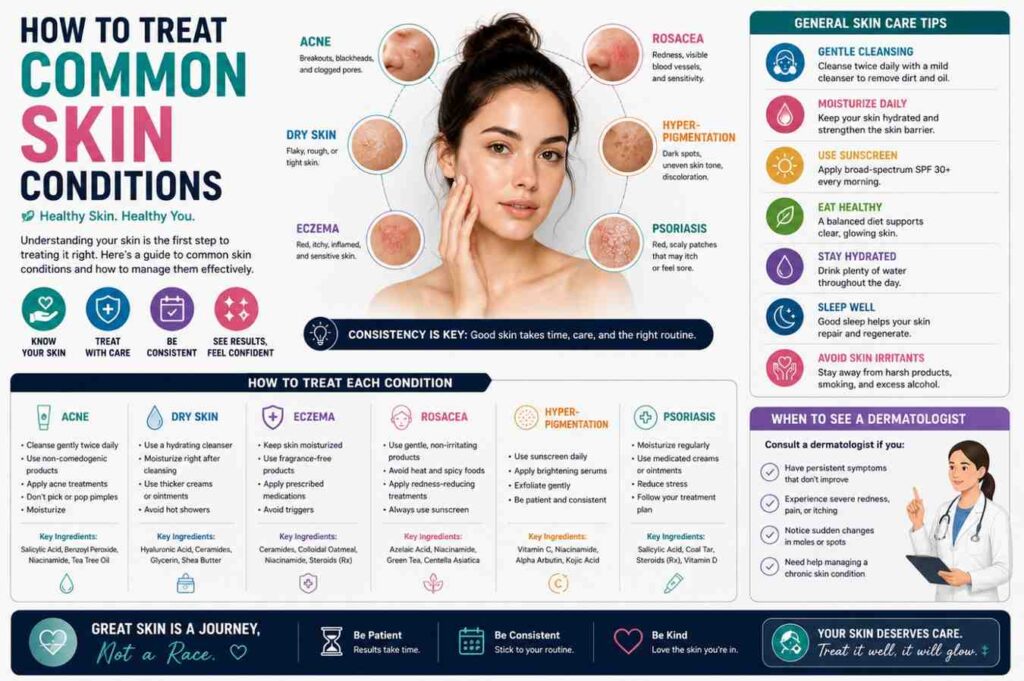
How to Treat Common Skin Conditions: A Complete Guide
Skin conditions are among the most common health concerns affecting people of all ages, and they can range from mild irritation to long-term chronic issues. These conditions may appear on different parts of the body and are often triggered by factors such as pollution, allergies, stress, genetics, or improper skincare habits. Understanding the root cause is the first and most important step in effective treatment.
Most common skin problems such as acne, eczema, psoriasis, dermatitis, and fungal infections can often be managed with the right combination of skincare routines, medical treatments, and lifestyle adjustments. In many cases, early intervention helps prevent the condition from worsening and reduces the risk of scarring or long-term damage. Consistency in care is key to visible improvement.
A complete treatment approach goes beyond topical creams or medications. It also includes maintaining a healthy diet, drinking enough water, managing stress levels, and following proper hygiene practices. These internal and external factors work together to improve skin barrier function and support natural healing processes.
In more severe or persistent cases, professional medical advice from a dermatologist is essential. With proper diagnosis and a structured treatment plan, even chronic skin conditions can be effectively controlled, allowing individuals to maintain healthier, clearer, and more balanced skin over time.
Understanding Common Skin Conditions and Their Basics
Skin conditions are extremely common across all age groups, and they can range from mild irritation to long-term chronic disorders that require medical supervision. When learning how to treat common skin conditions, it is essential to first understand how the skin functions as a protective organ. The skin acts as a barrier against bacteria, UV radiation, allergens, and environmental pollutants. When this barrier becomes weakened or damaged, various skin issues begin to develop.
In most cases, skin conditions are not caused by a single factor. Instead, they result from a combination of genetics, immune response, environmental exposure, and lifestyle habits. Some conditions appear suddenly due to infections or allergic reactions, while others develop gradually over time. Understanding these basics helps individuals avoid misdiagnosis and choose the right treatment approach early on.
Another important aspect is recognizing that not all skin conditions are visible in the same way. Some cause redness and inflammation, while others appear as dryness, flaking, or raised bumps. The severity also varies widely, making it important to evaluate symptoms carefully before starting any treatment.
| Skin Condition | Main Symptoms | Common Causes | First-Line Treatment | When to See Doctor |
|---|---|---|---|---|
| Acne Vulgaris | Pimples, blackheads, oily skin | Hormonal imbalance, clogged pores | Gentle cleansing, benzoyl peroxide, salicylic acid | Severe cystic acne, scarring |
| Eczema | Dry, itchy, inflamed patches | Genetics, immune overreaction | Moisturizers, steroid creams | Persistent itching, infection |
| Psoriasis | Thick, scaly patches | Autoimmune response | Topical steroids, phototherapy | Widespread or painful flare-ups |
| Fungal Infection | Red, ring-shaped rash, itching | Moist environment, fungi | Antifungal creams | Spreading or recurring infection |
| Dermatitis | Redness, irritation, swelling | Allergens, irritants | Avoid triggers, soothing creams | Chronic or worsening symptoms |
What Are Common Skin Conditions?
Common skin conditions refer to a wide group of dermatological issues that affect millions of people globally. These include acne, eczema, psoriasis, fungal infections, rashes, and dermatitis. Each condition has its own underlying cause and treatment approach, which is why understanding them individually is important when exploring skin condition treatment strategies.
For example, Acne Vulgaris develops when oil, dead skin cells, and bacteria clog hair follicles. This leads to pimples, blackheads, and inflammation, especially in teenagers and young adults. On the other hand, Eczema is often linked to immune system overactivity and results in dry, itchy, and inflamed skin patches.
Other conditions like fungal infections are caused by microorganisms thriving in warm, moist environments. These differences highlight why no single treatment works for all skin problems. A clear understanding of the condition type is the first step toward effective care and recovery.
Why Skin Health Matters
Skin health is not only about appearance; it plays a critical role in overall physical protection and internal balance. Healthy skin prevents harmful microorganisms from entering the body and helps regulate temperature and moisture. When the skin barrier is compromised, the body becomes more vulnerable to infections, allergies, and irritation.
Maintaining good skin health also has psychological benefits. Many skin conditions can affect self-esteem, confidence, and emotional well-being. Individuals dealing with persistent acne or visible rashes may experience stress or social discomfort, which can further worsen skin conditions.
In my experience, people often underestimate the importance of consistent skincare habits until problems become severe. Simple routines like cleansing, moisturizing, and protecting the skin from sun damage can significantly reduce long-term issues and improve healing outcomes.
Types of Skin Conditions You Should Know
Skin conditions can be broadly categorized into inflammatory, infectious, allergic, and chronic types. Inflammatory conditions include eczema and psoriasis, where the immune system triggers skin irritation. Infectious conditions include bacterial and fungal infections that spread through contact or environmental exposure.
Allergic reactions occur when the skin reacts to substances like cosmetics, detergents, or metals. Chronic conditions, such as rosacea or psoriasis, require ongoing management rather than one-time treatment.
Understanding these categories helps in selecting the right how to treat skin diseases approach, whether through home care, medication, or dermatological intervention.
Causes and Triggers of Skin Conditions
Skin conditions rarely develop without underlying causes. Understanding these triggers is a crucial step in learning how to treat common skin conditions effectively and prevent them from recurring. Causes can come from internal body processes, external environmental exposure, or daily lifestyle habits, and in many cases, multiple factors work together at the same time.
Internal causes often include genetics, hormonal imbalances, immune system activity, and certain medical conditions. External causes involve environmental exposure such as pollution, UV radiation, and contact with harsh chemicals or irritating skincare products. Lifestyle factors like stress levels, diet quality, sleep patterns, and hygiene practices also significantly influence overall skin health and condition.
By identifying and understanding these triggers, individuals can take more targeted and effective action toward improving their skin. Instead of only treating symptoms on the surface, addressing the root causes leads to more sustainable and long-term results.
Internal Causes of Skin Problems
Internal factors are often the foundation of many skin conditions and can strongly influence how the skin behaves. Genetics, for example, plays a major role in determining skin type, sensitivity, oil production, and the likelihood of developing conditions such as acne, eczema, or psoriasis.
Hormonal changes are another significant internal cause, especially during puberty, pregnancy, menstrual cycles, or periods of high stress. These fluctuations can increase oil production in the skin, which often leads to clogged pores and breakouts.
In some cases, internal inflammation or immune system responses can also trigger chronic skin issues, making consistent medical evaluation important for long-term management and control.
External Environmental Triggers
External environmental factors have a direct impact on skin health and can worsen existing conditions or trigger new ones. Common examples include air pollution, prolonged sun exposure, and exposure to harsh chemicals found in some skincare or cleaning products.
UV radiation from the sun can damage the skin barrier over time, leading to premature aging, dryness, and pigmentation issues. Similarly, pollution particles can clog pores and increase irritation, especially in sensitive skin types.
Using protective measures such as sunscreen, gentle skincare products, and proper cleansing routines is essential for minimizing damage and maintaining healthy skin over time.
Lifestyle Factors That Affect Skin Health
Lifestyle habits play a powerful role in determining the condition and appearance of the skin. Poor sleep quality, chronic stress, and an unhealthy diet can all contribute to inflammation, breakouts, and slower healing processes.
When the body is under stress or lacking proper nutrients, the skin often reflects these internal imbalances through dullness, irritation, or increased sensitivity. Hydration also plays a key role in maintaining skin elasticity and overall health.
By improving daily habits such as eating a balanced diet, managing stress effectively, staying hydrated, and maintaining proper hygiene, individuals can significantly enhance their skin’s ability to heal and stay healthy.
How to Diagnose Common Skin Conditions
Proper diagnosis is a critical step in effectively treating skin conditions because incorrect identification often leads to inappropriate treatment and worsening symptoms. Understanding the nature, pattern, and severity of skin issues helps in selecting the right care approach and prevents unnecessary complications.
Skin conditions can range from mild temporary irritations to chronic dermatological disorders, and each requires a different level of attention. Early and accurate diagnosis ensures that treatment begins at the right time, improving the chances of faster recovery and better long-term skin health.
A structured diagnostic approach typically involves self-observation, professional medical evaluation, and recognizing when symptoms require urgent attention. This combination helps individuals make informed decisions about their skin health.
Self-Assessment of Skin Symptoms
Self-assessment is the first step in identifying potential skin conditions. It involves carefully observing changes such as redness, itching, dryness, swelling, or the appearance of rashes or lesions on the skin.
Tracking when symptoms appear, how long they last, and whether they worsen due to specific triggers can provide valuable clues about the underlying condition. This information is useful when consulting a healthcare professional.
Although self-assessment is helpful for early detection, it should not replace medical advice, especially if symptoms persist or worsen over time.
Medical Diagnosis by Dermatologists
Dermatologists play a key role in accurately diagnosing skin conditions through clinical examination and, when necessary, laboratory tests. They assess the skin visually and may also consider patient history to determine the cause of the problem.
In some cases, additional diagnostic tools such as skin biopsies, allergy tests, or blood tests may be used to confirm the condition. This ensures a precise and targeted treatment plan.
Professional diagnosis is especially important for persistent or unclear skin issues, as it helps prevent misdiagnosis and ensures effective long-term management.
When Diagnosis Becomes Urgent
Certain skin symptoms require immediate medical attention, especially when they indicate a more serious underlying issue. These include severe pain, rapidly spreading rashes, or signs of infection such as pus, fever, or extreme inflammation.
Delaying treatment in such cases can lead to complications or worsening of the condition. Early intervention is essential to prevent long-term damage and ensure proper healing.
Recognizing urgent warning signs and seeking timely medical care can significantly improve outcomes and reduce the risk of severe skin complications.
Medical Treatments for Common Skin Conditions
Medical treatments become necessary when home remedies and basic skincare routines are not sufficient to control or improve skin conditions. These treatments are designed to target the root cause of the problem and provide more effective, long-term relief.
Depending on the severity and type of skin condition, dermatologists may recommend topical medications, oral drugs, or advanced clinical procedures. Each treatment approach is selected based on diagnosis and patient-specific needs.
A structured medical approach helps reduce symptoms such as inflammation, infection, itching, and discomfort while promoting proper skin healing and recovery.
| Condition Severity | Recommended Approach | Treatment Type | Examples | Key Warning Signs |
|---|---|---|---|---|
| Mild | Home care | Skincare routine, moisturizers, OTC creams | Dry skin, mild acne | No improvement after 1–2 weeks |
| Moderate | Combined care | OTC + dermatologist advice | Persistent acne, eczema flare | Spreading irritation |
| Severe | Medical treatment | Prescription drugs, therapy | Psoriasis, infected rashes | Pain, bleeding, pus |
| Chronic | Long-term management | Dermatologist supervision | Psoriasis, severe eczema | Recurring flare-ups |
| Emergency | Immediate care | Hospital/urgent care | Rapid infection, severe swelling | Fever, extreme pain |
Topical Treatments and Creams
Topical treatments are one of the most commonly prescribed options for skin conditions and are applied directly to the affected area. These include steroid creams, antibiotic ointments, and antifungal medications depending on the type of condition.
They work by reducing inflammation, controlling infection, and providing targeted relief to specific areas of the skin. Because they act locally, they are often used for mild to moderate conditions.
Regular and correct use of topical treatments is important to ensure effectiveness and avoid side effects such as skin thinning or irritation when misused.
Oral Medications and Therapies
Oral medications are used when skin conditions are more severe, widespread, or resistant to topical treatments. These may include antibiotics, antihistamines, or other prescription drugs depending on the diagnosis.
They work from within the body to control infection, reduce inflammation, or regulate immune system responses that contribute to skin issues.
Because they affect the entire system, oral treatments must be taken under strict medical supervision to ensure safety and effectiveness.
Advanced Dermatological Procedures
Advanced dermatological procedures are used for chronic or stubborn skin conditions that do not respond well to standard treatments. These include laser therapy, phototherapy, and other specialized clinical techniques.
Laser treatments help target specific skin concerns such as scars, pigmentation, or vascular issues, while phototherapy uses controlled light exposure to reduce inflammation and improve skin health.
These procedures are typically performed by dermatology professionals and are customized based on the patient’s condition, ensuring precise and effective results.
Home Remedies and Daily Skincare Routine
Home care plays an important role in supporting the healing process of skin conditions and preventing them from recurring. A consistent daily skincare routine helps maintain skin health, reduces irritation, and strengthens the natural skin barrier over time.
In many mild cases, proper home care can significantly improve symptoms and reduce the need for medical intervention. However, it is important to follow safe and suitable practices based on skin type and condition severity.
A well-structured routine combines gentle cleansing, proper hydration, and the use of safe natural remedies to maintain balanced and healthy skin.
Gentle Cleansing and Moisturizing
Gentle cleansing is essential for removing dirt, oil, and impurities without damaging the skin barrier. Harsh soaps or over-cleansing can worsen dryness and irritation, especially in sensitive skin conditions.
Moisturizing helps lock in hydration and protect the skin from external irritants. A balanced skincare routine ensures that the skin remains soft, hydrated, and less prone to flare-ups.
When used consistently, gentle cleansing and moisturizing work together to maintain overall skin barrier health and support long-term healing.
Natural Remedies for Skin Relief
Natural remedies can provide soothing relief for mild skin irritation and inflammation. Ingredients such as aloe vera, oatmeal baths, and natural oils are commonly used for their calming and moisturizing properties.
These remedies help reduce redness, itching, and discomfort while supporting the skin’s natural healing process. However, they should be used carefully to avoid allergic reactions or worsening symptoms.
When applied correctly, natural treatments can complement regular skincare routines and provide gentle, supportive care for the skin.
Acne and Rash Care at Home
Mild acne and skin rashes can often be managed effectively with consistent home care and proper hygiene practices. Keeping the skin clean and avoiding harsh products helps prevent further irritation.
A simple routine that includes cleansing, moisturizing, and avoiding trigger factors can significantly improve mild breakouts and rashes over time.
Regular care and patience are important, as skin conditions typically take time to improve with home-based treatment approaches.
Prevention Strategies for Healthy Skin
Preventing skin conditions is often more effective than treating them after they appear. A proactive approach helps maintain long-term skin health and reduces the likelihood of developing common issues such as acne, dryness, or irritation.
Healthy skin prevention strategies focus on building consistent habits that protect the skin barrier, support internal health, and reduce exposure to harmful triggers. These habits are simple but highly effective when practiced regularly.
By combining skincare routines, proper nutrition, hydration, and lifestyle balance, individuals can significantly improve skin resilience and overall appearance over time.
Daily Skincare Habits
Daily skincare habits form the foundation of healthy skin maintenance. Regular cleansing helps remove dirt, oil, and pollutants that can clog pores and cause irritation.
Moisturizing and protecting the skin with sunscreen are equally important, as they help maintain hydration and shield the skin from environmental damage. Consistency is key in achieving long-term results.
When followed properly, daily skincare routines strengthen the skin barrier and reduce the risk of common skin conditions.
Diet and Hydration for Skin Health
A balanced diet plays a major role in maintaining healthy skin. Nutrients such as vitamins, minerals, and antioxidants support skin repair and reduce inflammation.
Hydration is equally important, as water helps maintain skin elasticity and flush out toxins from the body. Poor hydration can lead to dryness and dull skin.
Together, proper nutrition and adequate water intake improve overall skin function and contribute to a clearer and healthier complexion.
Stress Management and Lifestyle Balance
Stress has a direct impact on skin health and can worsen conditions such as acne, eczema, and inflammation. Managing stress effectively is essential for maintaining clear skin.
Healthy lifestyle practices such as regular exercise, proper sleep, and relaxation techniques help regulate stress hormones and support skin recovery.
By maintaining a balanced lifestyle, individuals can improve both their mental well-being and skin condition, leading to long-term health benefits.
When to See a Doctor for Skin Conditions
Knowing when to seek medical help for skin conditions is essential for preventing complications and ensuring proper treatment. While many mild skin issues can improve with home care, persistent or worsening symptoms often require professional evaluation.
Medical attention becomes especially important when skin problems do not respond to basic skincare routines or begin to interfere with daily comfort and quality of life. Early diagnosis helps prevent conditions from becoming more severe or difficult to treat.
Understanding warning signs, chronic conditions, and the importance of timely treatment can significantly improve recovery outcomes and long-term skin health.
Warning Signs You Should Not Ignore
Certain symptoms indicate the need for immediate medical attention, especially when they suggest infection or severe inflammation. These include intense pain, rapidly spreading rashes, swelling, or the presence of pus.
Ignoring these warning signs can lead to complications such as worsening infection or permanent skin damage. In some cases, delays in treatment may also increase recovery time significantly.
Seeking prompt medical care in such situations ensures accurate diagnosis and prevents the condition from progressing further.
Chronic Skin Conditions That Need Monitoring
Chronic skin conditions such as psoriasis, eczema, and long-term dermatitis require ongoing medical supervision. These conditions often fluctuate in severity and need consistent management.
Regular monitoring by a dermatologist helps control flare-ups and ensures that treatment plans remain effective over time. Adjustments in medication or skincare routines may be necessary based on symptoms.
Proper long-term care improves quality of life and helps individuals manage chronic conditions more effectively and comfortably.
Importance of Early Treatment
Early treatment plays a crucial role in achieving better outcomes for most skin conditions. Addressing symptoms at an early stage helps prevent them from becoming more severe or widespread.
It also reduces the risk of complications such as scarring, infection, or long-term skin damage. Early intervention often leads to faster and more effective recovery.
By seeking timely medical advice, individuals can ensure better control over their skin health and improve overall treatment success.
Frequently Asked Questions
Frequently Asked Questions (FAQs) provide a simple and quick way to understand the most important points about common skin conditions. Instead of reading the full guide, readers can use this section to get clear answers to the most common concerns related to symptoms, treatment, and prevention.
This section is designed to improve clarity and help individuals make informed decisions about their skin health. It covers practical questions that people often face in daily life, especially when dealing with mild or chronic skin issues.
By summarizing key information in a structured format, FAQs make it easier to understand when to use home care, when to seek medical help, and how lifestyle choices affect overall skin health.
What is the fastest way to treat common skin conditions?
The fastest way to treat common skin conditions is to identify the exact cause and follow a consistent, targeted treatment plan. Early diagnosis plays a major role because starting treatment at the right time prevents the condition from worsening.
Using appropriate skincare products or prescribed medications regularly can significantly speed up healing. Avoiding triggers such as harsh chemicals, allergens, or unhealthy habits also supports faster recovery.
In addition, maintaining good hygiene, staying hydrated, and following a balanced skincare routine can enhance the effectiveness of treatment and reduce healing time.
Can common skin conditions be treated at home?
Yes, many mild skin conditions can be treated at home using proper skincare practices such as gentle cleansing, moisturizing, and avoiding irritants. Natural remedies may also help reduce minor inflammation and discomfort.
However, home treatment is only effective for mild cases and should be done carefully to avoid worsening symptoms. Overuse of home remedies or incorrect products can sometimes irritate the skin further.
If symptoms persist, spread, or worsen over time, it is important to seek professional medical advice to ensure accurate diagnosis and proper treatment.
What foods help improve skin health?
Foods rich in vitamins A, C, E, and antioxidants play an important role in improving skin health. Fruits, vegetables, nuts, seeds, and healthy fats support skin repair and reduce inflammation.
Proper nutrition helps strengthen the skin barrier, improve hydration, and promote natural healing processes. A poor diet, on the other hand, can contribute to acne, dryness, and dull skin.
Drinking enough water alongside a balanced diet further enhances skin clarity and elasticity, leading to healthier and more radiant skin over time.
Are skin conditions permanent?
Not all skin conditions are permanent. Many common issues such as acne, mild rashes, and allergic reactions are temporary and can be fully treated with proper care.
However, some conditions like eczema, psoriasis, or chronic dermatitis may require long-term management to control symptoms and prevent flare-ups. These conditions often come and go depending on triggers and lifestyle factors.
With proper treatment, lifestyle adjustments, and medical support when needed, even chronic skin conditions can be effectively managed for a better quality of life.
When should I worry about a skin rash?
A skin rash becomes concerning when it spreads quickly, becomes painful, or shows signs of infection such as swelling, pus, or fever. These symptoms may indicate a more serious underlying condition.
Persistent rashes that do not improve with basic care should also be evaluated by a healthcare professional. Delaying treatment in such cases can lead to complications or worsening of the condition.
Seeking timely medical advice ensures proper diagnosis and helps prevent long-term skin damage, making early attention extremely important for recovery.
Conclusion
Understanding how to treat common skin conditions requires a balanced approach that combines proper diagnosis, effective treatment, and consistent skincare habits. Each skin condition is different, so identifying the exact cause is essential for choosing the right care method.
By recognizing internal, external, and lifestyle-related triggers, individuals can take proactive steps to reduce flare-ups and support long-term skin health. This helps not only in treating existing issues but also in preventing future problems from developing.
With the right combination of medical care, daily skincare routines, and healthy lifestyle choices, most common skin conditions can be effectively managed, leading to clearer, healthier, and more resilient skin over time.
