
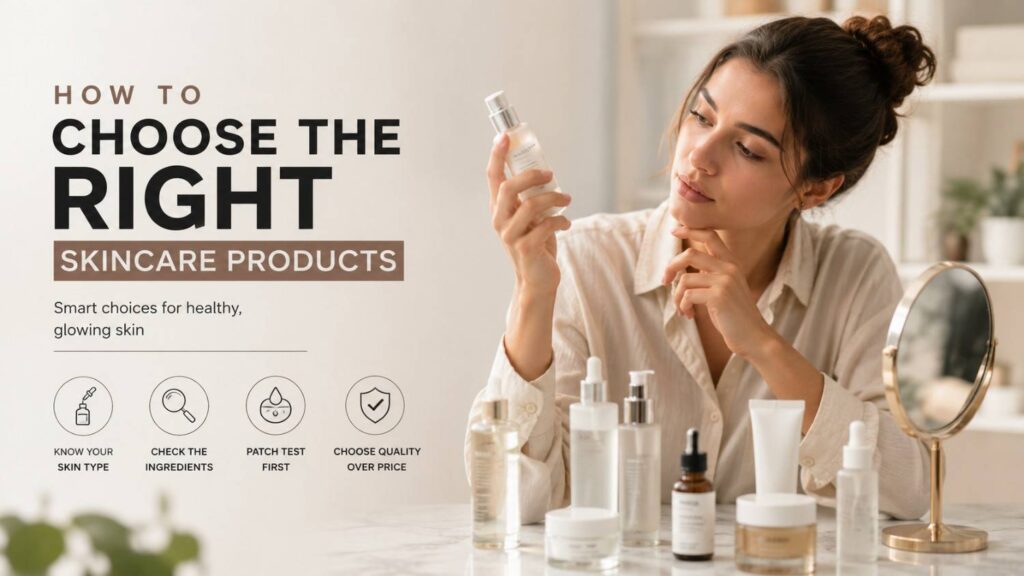
How to Choose the Right Skincare Products for Healthy Skin
Choosing skincare products can feel confusing because the beauty industry offers thousands of options, each claiming to solve different skin problems. From cleansers and moisturizers to serums, treatments, and sunscreens, the number of available choices can make it difficult to know what your skin actually needs. Many people make purchasing decisions based on advertisements, influencer recommendations, or trending ingredients without considering whether those products match their individual skin condition.
Learning how to choose the right skincare products starts with understanding that skincare is personal. A product that creates excellent results for one person may cause dryness, irritation, or breakouts for another. Factors such as skin type, sensitivity level, age, climate, lifestyle, and existing concerns all influence how your skin responds to different formulas.
The foundation of an effective skincare routine is not using the maximum number of products. Instead, it is about selecting the right products that support your skin barrier and address your specific concerns. A carefully chosen cleanser, moisturizer, and sunscreen can often provide more benefits than a complicated routine filled with unnecessary steps.
A successful skincare approach combines knowledge, patience, and consistency. Before adding any product to your routine, it is important to understand your skin type, identify your main goals, learn about beneficial ingredients, and introduce new formulas carefully.
This guide explains how to select skincare products effectively, how ingredients influence your skin, how to create a balanced routine, and which common mistakes to avoid when building your personal skincare plan.
Understand Your Skin Type Before Choosing Products
Before purchasing any skincare product, identifying your skin type is one of the most important steps. Your skin type determines how your skin reacts to different ingredients, textures, and formulas. Choosing products without understanding your skin can sometimes create new problems, even if the product itself is high quality.
For example, a heavy moisturizer designed for extremely dry skin may feel uncomfortable on oily skin and contribute to clogged pores. Similarly, a strong exfoliating product designed for oily skin may increase dryness and irritation when used on sensitive skin.
Your skin type is influenced by natural oil production, moisture levels, genetics, age, hormones, and environmental conditions. It can also change over time. Someone who experiences oily skin during their teenage years may develop combination or dry skin later due to aging, climate changes, or lifestyle factors.
Understanding your skin type allows you to choose products with suitable textures and ingredients. Lightweight gel-based formulas are often preferred for oily skin, while richer creams may provide better comfort for dry skin. Sensitive skin usually benefits from gentle, fragrance-free products that minimize potential irritation.
However, skin type alone does not tell the complete story. You also need to understand your current skin concerns, such as acne, pigmentation, dehydration, redness, or signs of aging. Combining skin type knowledge with concern-based product selection creates a more effective and personalized skincare routine.
Identify Whether Your Skin Is Dry, Oily, Combination, or Normal
The first step in selecting suitable skincare products is determining whether your skin is dry, oily, combination, or normal. Each skin type has different characteristics and requires different product approaches.
Dry skin typically lacks sufficient moisture and may feel tight, rough, or uncomfortable after cleansing. Some people experience visible flaking or increased sensitivity because the skin barrier is not retaining enough hydration. Products containing ingredients such as hyaluronic acid, glycerin, squalane, and ceramides can help improve moisture levels and support a healthier-looking skin barrier.
Oily skin produces more natural oil, which can result in shine, enlarged-looking pores, and increased chances of breakouts. People with oily skin often benefit from lightweight, non-comedogenic products that hydrate without feeling heavy. Ingredients such as niacinamide and salicylic acid are commonly used in products designed for oily and acne-prone skin.
Combination skin includes characteristics of multiple skin types. A common pattern is an oily forehead, nose, and chin area with normal or dry cheeks. People with combination skin often need balanced products that control excess oil while maintaining hydration.
Normal skin is generally well-balanced, but it still requires proper care. Even balanced skin benefits from gentle cleansing, regular moisturizing, and daily sunscreen protection to maintain long-term health.
Knowing your skin type does not mean choosing products permanently. Skin can change because of weather, hormones, stress, aging, or lifestyle changes. Regularly evaluating your skin helps you adjust your skincare routine when necessary.
| Skin Type | Common Characteristics | Recommended Product Focus | Helpful Ingredients |
|---|---|---|---|
| Dry Skin | Tightness, rough texture, flaking, low moisture levels | Hydrating and barrier-supporting products | Hyaluronic Acid, Ceramides, Glycerin, Squalane |
| Oily Skin | Excess shine, enlarged-looking pores, frequent breakouts | Lightweight, non-comedogenic formulas | Niacinamide, Salicylic Acid, Lightweight Moisturizers |
| Combination Skin | Oily T-zone with normal or dry cheeks | Balanced products that control oil and maintain hydration | Niacinamide, Hyaluronic Acid, Gentle Cleansers |
| Normal Skin | Balanced oil production and stable texture | Maintenance-focused skincare routine | Antioxidants, Moisturizers, Sunscreen |
| Sensitive Skin | Redness, irritation, discomfort, easy reactions | Gentle fragrance-free formulas | Ceramides, Glycerin, Soothing Ingredients |
Recognize Your Main Skin Concerns
After understanding your basic skin type, the next step is identifying your main skincare concerns. Skin type explains how your skin behaves, but skin concerns explain what you want to improve.
Many people try to treat multiple concerns at the same time, which can lead to complicated routines and unnecessary irritation. A better approach is to identify your top one or two priorities and choose products specifically designed for those goals.
Common skincare concerns include:
- Acne and frequent breakouts
- Dark spots and uneven skin tone
- Fine lines and wrinkles
- Dryness and dehydration
- Redness and sensitivity
- Rough texture
- Enlarged-looking pores
- Loss of firmness
For example, someone experiencing acne may focus on ingredients that help maintain clearer-looking skin, while someone concerned about aging may choose products containing retinol, peptides, or antioxidants.
It is also important to understand that one product rarely solves every concern immediately. Skincare requires consistency because visible improvements often develop gradually. Using too many powerful ingredients at once can damage the skin barrier and make concerns worse.
I recommend creating a priority list before purchasing products. Ask yourself what problem you want to address first. Is your main goal hydration, acne control, brightness, or preventing visible signs of aging?
By focusing on your actual needs instead of following every skincare trend, you can create a routine that is simpler, more affordable, and more effective.
Consider Your Environment and Lifestyle Factors
Your environment and daily lifestyle play a major role in determining which skincare products will work best for you. Many people choose products based only on their skin type but forget that external conditions can significantly influence skin behavior.
Climate is one of the biggest factors. People living in dry environments may experience increased moisture loss and may need richer moisturizers with barrier-supporting ingredients. On the other hand, people living in hot and humid climates often prefer lightweight, breathable formulas that reduce the feeling of heaviness on the skin.
Sun exposure is another important consideration. Regular exposure to UV rays can contribute to premature signs of aging, uneven skin tone, and increased sensitivity. Regardless of skin type, daily sunscreen is one of the most important skincare products for maintaining healthy-looking skin.
Lifestyle habits also affect how your skin appears. Poor sleep, high stress levels, dehydration, smoking, and an unbalanced diet can influence skin condition. While skincare products can support your skin, they work best when combined with healthy habits.
Your daily routine should also influence product choices. Someone who spends most of the day outdoors may need stronger sun protection, while someone working in an air-conditioned environment may need additional hydration support.
Understanding these factors helps you select products that fit your real life rather than creating a routine that is difficult to maintain. The best skincare routine is one that matches your skin, environment, and lifestyle while remaining simple enough for consistent use.
Related Articles
Learn How Ingredients Affect Your Skin
Understanding skincare ingredients is one of the most important skills when choosing the right skincare products. Instead of selecting products based only on brand popularity, packaging, or marketing claims, learning how ingredients work allows you to make better decisions based on your skin’s actual needs.
Every skincare ingredient has a specific purpose. Some ingredients focus on hydration, some support the skin barrier, some improve the appearance of uneven tone, and others target concerns such as acne, texture, or visible signs of aging. However, the effectiveness of an ingredient depends on several factors, including concentration, formulation, compatibility with your skin type, and how consistently you use the product.
A common mistake is assuming that expensive products always provide better results. In reality, a well-formulated product with suitable ingredients can often perform better than a luxury product that does not match your skin concerns.
It is also important to understand that stronger ingredients are not always better. Active ingredients such as retinol, exfoliating acids, and vitamin C can provide visible benefits, but they should be introduced carefully. Using too many powerful ingredients together may weaken the skin barrier and cause dryness, redness, or irritation.
When choosing skincare products, focus on ingredient purpose rather than trends. Ask questions such as:
- Does this ingredient address my main skin concern?
- Is it suitable for my skin type?
- Can my skin tolerate this formula?
- Am I introducing too many active ingredients at once?
By becoming familiar with skincare ingredients, you can build a more effective routine that supports long-term skin health instead of constantly changing products without understanding what your skin needs.
Look for Ingredients That Support Skin Health
Choosing products with beneficial ingredients can significantly improve the effectiveness of your skincare routine. Different ingredients provide different benefits, so selecting formulas based on your specific concerns is more useful than buying products simply because they are popular.
Some widely used skincare ingredients include:
| Ingredient | Main Benefit | Suitable For |
|---|---|---|
| Hyaluronic Acid | Helps maintain hydration and improve moisture levels | Dry and dehydrated skin |
| Niacinamide | Supports the skin barrier and improves the appearance of pores | Most skin types |
| Vitamin C | Helps brighten dull-looking skin and supports antioxidant protection | Uneven tone concerns |
| Retinol | Supports smoother texture and reduces the appearance of fine lines | Aging concerns |
| Ceramides | Strengthen the moisture barrier and reduce water loss | Dry and sensitive skin |
| Salicylic Acid | Helps exfoliate pores and improve oily skin concerns | Acne-prone skin |
Hyaluronic acid is popular because it helps attract and retain moisture, making skin appear more hydrated and comfortable. It is commonly found in serums, moisturizers, and hydrating treatments.
Niacinamide is considered a versatile ingredient because it can support multiple skin goals. It helps maintain the skin barrier, improves the appearance of uneven texture, and works well with many other skincare ingredients.
Vitamin C is often used in morning routines because of its antioxidant properties. It can help protect the skin from environmental stress while improving the appearance of dullness and uneven tone.
Ceramides are especially valuable for people experiencing dryness or sensitivity because they are naturally found in the skin barrier. Products containing ceramides can help maintain moisture and improve skin comfort.
The key is choosing ingredients based on your individual needs. A product containing many popular ingredients is not automatically better. The right ingredient combination for your skin is what creates the best results.
Understand Active Ingredients and Their Purpose
Active ingredients are the components in skincare products specifically included to target certain skin concerns. Unlike basic ingredients that mainly improve texture or hydration, active ingredients are designed to create noticeable changes when used consistently.
Examples of common active ingredients include:
- Retinol for visible signs of aging and skin texture.
- Salicylic acid for clogged pores and oily skin concerns.
- Glycolic acid for exfoliation and smoother-looking skin.
- Vitamin C for brightness and antioxidant support.
- Benzoyl peroxide for acne-related concerns.
Although active ingredients can be highly effective, they require careful use. Many beginners make the mistake of adding multiple active products at the same time, such as combining retinol, exfoliating acids, and vitamin C immediately. This can overwhelm the skin and increase the chance of irritation.
A better approach is introducing one active ingredient at a time. Use the product consistently for several weeks and observe how your skin responds before adding another treatment.
For example, someone new to retinol may start with a lower-strength formula once or twice a week before gradually increasing frequency. Similarly, exfoliating acids should be used according to skin tolerance rather than daily by default.
It is also important to balance active treatments with supportive products. A gentle cleanser, moisturizer, and sunscreen help maintain the skin barrier while active ingredients work on specific concerns.
Remember that skincare results require patience. Active ingredients usually do not create overnight changes. Consistent application over time is more important than frequently switching products.
Understanding the purpose and strength of active ingredients helps you create a routine that is effective while minimizing unnecessary irritation.
| Skincare Ingredient | Primary Function | Best Suited For | Product Types |
|---|---|---|---|
| Hyaluronic Acid | Improves hydration and helps maintain moisture | Dry and dehydrated skin | Serums, Moisturizers |
| Niacinamide | Supports skin barrier and improves uneven texture appearance | Most skin types, oily skin concerns | Serums, Creams |
| Vitamin C | Provides antioxidant support and improves dull-looking skin | Uneven tone and brightness concerns | Morning Serums |
| Retinol | Supports smoother texture and reduces visible aging signs | Mature skin and texture concerns | Night Treatments |
| Ceramides | Strengthens moisture barrier and reduces water loss | Dry and sensitive skin | Moisturizers |
| Salicylic Acid | Helps exfoliate pores and manage oil-related concerns | Acne-prone and oily skin | Cleansers, Treatments |
| Peptides | Supports firm-looking and hydrated skin | Aging concerns | Serums, Creams |
Read Product Labels Carefully
Reading skincare product labels is an essential step when choosing products that match your skin needs. Many consumers focus mainly on brand names or product claims but overlook the ingredient list, which provides valuable information about what they are applying to their skin.
The ingredient list shows the components used in the formula, usually arranged from the highest concentration to the lowest. While this does not reveal exact percentages, it helps you understand whether a product is mainly focused on hydration, treatment, exfoliation, or other purposes.
When checking labels, consider several important factors:
Ingredient order:
Ingredients listed near the beginning are usually present in larger amounts. For example, if hydration is your goal, ingredients such as water, glycerin, or humectants appearing early in the list may indicate a moisturizing formula.
Fragrance content:
Fragrance can improve the sensory experience of a product, but some people with sensitive skin may experience irritation from fragranced formulas. If your skin reacts easily, fragrance-free options may be more suitable.
Potential allergens:
Some botanical extracts, essential oils, or preservatives may cause reactions in certain individuals. Understanding your personal sensitivities can help you avoid unnecessary problems.
Product purpose:
Make sure the product matches your intended use. A moisturizer designed for oily skin may not provide enough comfort for very dry skin, while a strong treatment product may not be suitable for daily use.
It is also helpful to avoid being influenced only by marketing terms such as “natural,” “premium,” or “advanced.” These descriptions do not always determine effectiveness. The actual formulation and ingredient combination matter more.
By learning how to read skincare labels, you become more confident in selecting products that support your skin rather than relying on advertising promises.
Build a Simple Skincare Routine That Works
A successful skincare routine does not need to include a large number of products. One of the most common mistakes people make is creating complicated routines with multiple cleansers, serums, treatments, and masks without understanding whether each product is necessary.
A simple and consistent skincare routine is often more effective because it allows your skin to adjust and makes it easier to identify what works. When too many products are introduced at once, it becomes difficult to determine which product is causing improvement or irritation.
The foundation of most skincare routines includes three essential steps:
- Cleansing
- Moisturizing
- Sun protection
These steps support the basic needs of healthy-looking skin. A cleanser removes dirt, excess oil, sunscreen, and environmental impurities. A moisturizer helps maintain hydration and supports the skin barrier. Sunscreen protects against UV exposure that contributes to premature skin concerns.
After building a strong foundation, targeted products can be added based on specific goals. For example, someone dealing with uneven tone may add vitamin C, while someone focused on visible aging may consider retinol.
However, every additional product should have a clear purpose. A routine should not become complicated simply because more products are available.
The best skincare routine is one that you can follow consistently. Even the most advanced products will provide limited benefits if they are used irregularly. Understanding your skin, choosing suitable products, and maintaining a balanced routine are the keys to achieving healthier-looking skin over time.
Common Mistakes When Choosing Skincare Products
Choosing the right skincare products requires understanding your skin rather than following every new trend or recommendation. Many people make skincare mistakes because they focus on advertisements, expensive packaging, or viral products instead of considering whether a formula actually matches their skin type and concerns.
A good skincare routine is not about using the maximum number of products. It is about selecting suitable ingredients, maintaining consistency, and protecting the skin barrier. When people choose unsuitable products or use them incorrectly, they may experience problems such as irritation, dryness, breakouts, or lack of visible results.
Understanding common skincare mistakes helps you avoid wasting money and creating unnecessary stress for your skin. By making informed choices, you can build a routine that supports healthier-looking skin over time.
Buying Products Based Only on Trends
One of the most common mistakes people make when choosing skincare products is purchasing items only because they are popular. Social media platforms, beauty influencers, and online advertisements often highlight certain products as essential, but a trending product is not always the right product for everyone.
Skin varies from person to person. Factors such as genetics, age, climate, lifestyle, sensitivity, and existing skin concerns all influence how your skin reacts to different formulas. A serum that creates excellent results for one person may cause irritation or provide little benefit for another.
For example, retinol has become extremely popular because of its association with smoother-looking skin and anti-aging benefits. However, not everyone needs retinol immediately. Someone with a damaged skin barrier or very sensitive skin may benefit more from gentle hydration and barrier-supporting products before introducing stronger treatments.
The same applies to products containing exfoliating acids, vitamin C, or other active ingredients. Their effectiveness depends on whether they match your specific skincare goals.
Before purchasing a trending product, consider whether it solves a problem you actually have. Instead of asking whether a product is popular, ask whether the ingredients are suitable for your skin type and whether you can use the product consistently.
The best skincare routine is not based on following every beauty trend. It is based on understanding your skin and choosing products that provide meaningful support.
Using Too Many Active Ingredients
Another common skincare mistake is using too many active ingredients at the same time. Many people believe that combining multiple powerful products will create faster results, but this approach can often lead to irritation instead of improvement.
Active ingredients such as retinol, salicylic acid, glycolic acid, vitamin C, and benzoyl peroxide can be beneficial when used correctly. However, they are designed to perform specific functions, and combining too many treatments without proper planning may weaken the skin barrier.
When the skin barrier becomes irritated, common signs may include redness, dryness, sensitivity, burning sensations, or increased breakouts. In many cases, people mistakenly assume they need more products when the actual solution is reducing unnecessary treatments and returning to a simpler routine.
A better approach is introducing active ingredients gradually. Allow your skin enough time to adjust before adding another treatment. For example, if you begin using retinol, give your skin several weeks to adapt before introducing additional exfoliating products.
A balanced skincare routine should include both treatment products and supportive products. While active ingredients target specific concerns, moisturizers and gentle cleansers help maintain skin comfort and protection.
Effective skincare is not about using the strongest formula available. It is about finding the right combination of ingredients that your skin can tolerate and benefit from over time.
Ignoring Your Skin Barrier
Many people focus heavily on treating specific concerns such as acne, dark spots, or wrinkles while ignoring the importance of maintaining a healthy skin barrier. The skin barrier acts as a protective layer that helps prevent moisture loss and protects against external environmental factors.
When the skin barrier becomes damaged, even high-quality skincare products may not perform effectively. Signs of a weakened barrier often include excessive dryness, irritation, redness, sensitivity, and a feeling of tightness after cleansing.
Several factors can contribute to barrier damage, including over-exfoliation, harsh cleansers, excessive use of active ingredients, and skipping moisturizer. Some people believe that a stronger sensation, such as tingling or peeling, means a product is working better, but irritation is not always a sign of effectiveness.
Choosing products that support barrier health is essential for long-term skincare success. Ingredients such as ceramides, glycerin, fatty acids, and hyaluronic acid can help maintain hydration and improve skin comfort.
A healthy skincare routine should balance treatment with protection. If your skin is constantly irritated, adding more active products is usually not the solution. Instead, simplifying your routine and focusing on gentle, supportive products can help restore balance.
Maintaining the skin barrier creates a stronger foundation, allowing targeted treatments to work more effectively while reducing the risk of unnecessary irritation.
Choosing Products Without Checking Ingredients
Many consumers select skincare products based on packaging, brand reputation, or marketing claims without examining the actual ingredients. While branding can provide useful information, the formulation itself determines how a product interacts with your skin.
Understanding ingredient lists helps you identify whether a product contains components that match your needs. For example, someone with dry skin may benefit from ingredients that support hydration, while someone with oily or acne-prone skin may prefer lightweight formulas that do not feel heavy.
It is also important to recognize that certain ingredients may not suit everyone. Fragrance, essential oils, or specific preservatives can cause sensitivity in some individuals. This does not mean these ingredients are harmful for everyone, but people with reactive skin should consider whether they are appropriate for their routine.
Reading product labels also helps prevent unnecessary purchases. Many products make impressive claims, but the ingredients may not support those claims in a meaningful way.
Instead of focusing only on words like “premium,” “natural,” or “advanced,” evaluate whether the formula contains ingredients that address your actual concerns.
Becoming familiar with skincare ingredients allows you to make more informed choices and reduces dependence on advertising. Over time, this knowledge helps you create a personalized skincare routine that is more effective and easier to maintain.
Choose Skincare Products Based on Specific Skin Problems
Choosing skincare products becomes much easier when you focus on your actual skin problems rather than purchasing products randomly. Every skin concern requires a different approach because the causes behind acne, dryness, sensitivity, uneven tone, and visible aging are not the same.
Many people make skincare decisions based on advertisements or recommendations from others without considering whether a product matches their own skin condition. This often leads to wasted money, unnecessary irritation, or disappointment when results do not appear. A targeted skincare approach allows you to select products with ingredients that are more suitable for your individual needs.
The first step is understanding what you want to improve. For example, someone dealing with excess oil and clogged pores may need ingredients that support clearer-looking skin, while someone experiencing dryness may need products focused on hydration and barrier protection.
It is also important to remember that skincare improvements usually require consistency. Even high-quality products cannot provide meaningful results if they are used irregularly or combined with habits that negatively affect skin health.
A personalized approach works better than copying someone else’s complete routine. Your skin type, environment, lifestyle, and sensitivity level all influence how products perform. By selecting products based on your specific concerns, you can create a routine that is more effective, comfortable, and sustainable over time.
Selecting Products for Acne-Prone and Oily Skin
People with acne-prone and oily skin often face challenges related to excess oil production, clogged pores, uneven texture, and recurring breakouts. Choosing the right skincare products requires finding a balance between managing oil levels and maintaining a healthy skin barrier.
A common mistake is using very harsh products that remove too much oil. While these products may temporarily reduce shine, they can sometimes leave the skin feeling dry or irritated. When the skin barrier becomes damaged, it may become more difficult to maintain balanced-looking skin.
For oily and acne-prone skin, lightweight formulas are usually preferred because they provide hydration without feeling heavy. Ingredients such as salicylic acid are commonly used because they help exfoliate inside pores, while niacinamide is often included in skincare formulas designed to support balanced-looking skin and improve the appearance of uneven texture.
Moisturizer is still an important step for oily skin. Many people believe that oily skin does not require hydration, but skipping moisturizer may affect the skin barrier. A lightweight, non-comedogenic moisturizer can help maintain comfort while avoiding a heavy feeling.
When building an acne-focused routine, avoid adding too many strong treatments at the same time. Combining multiple exfoliating products or harsh ingredients can increase irritation and make the skin more difficult to manage.
A consistent routine with suitable products is usually more effective than frequently changing products. Focus on gentle cleansing, appropriate hydration, and targeted treatments that match your skin’s needs.
Selecting Products for Dry and Sensitive Skin
Dry and sensitive skin requires careful product selection because the skin barrier may be more vulnerable to irritation. People with this skin type often experience tightness, rough texture, redness, discomfort, or increased reactions when using unsuitable products.
The main goal for dry and sensitive skin should be restoring and maintaining moisture while avoiding unnecessary irritation. Instead of focusing on strong treatments, prioritize gentle formulas that support skin comfort and barrier health.
Hydrating ingredients such as hyaluronic acid help attract moisture, while ingredients like ceramides support the protective barrier that prevents excessive moisture loss. These ingredients are commonly found in moisturizers and serums designed for dehydrated or sensitive skin.
Choosing a gentle cleanser is also important. Harsh cleansers can remove natural oils and make dryness worse. A mild cleanser that cleans without leaving the skin feeling tight is often a better option for sensitive skin types.
People with sensitive skin should also be careful with fragranced products. While fragrance can improve the experience of using a product, some individuals may experience irritation from certain fragrance components. Simpler formulas are often easier to tolerate.
When introducing a new product, always pay attention to how your skin responds. Even products labeled as gentle may not work for everyone. Performing a patch test before applying a new formula across the entire face can help reduce the risk of unwanted reactions.
For dry and sensitive skin, patience is essential. The goal is not to use the strongest products but to create a calming routine that improves hydration and supports long-term skin health.
Selecting Products for Aging and Uneven Skin Tone Concerns
As skin changes over time, many people look for skincare products that support smoother texture, hydration, firmness, and a more even-looking complexion. Choosing anti-aging and brightening products requires understanding which ingredients are designed to address specific concerns.
Visible signs of aging can be influenced by many factors, including sun exposure, natural aging processes, lifestyle habits, and environmental stress. Because of this, a successful approach usually combines prevention with targeted skincare.
Retinol is one of the most recognized ingredients in anti-aging skincare. It is commonly used in products designed to improve the appearance of fine lines, uneven texture, and overall skin smoothness. However, beginners should introduce retinol gradually because some people may experience dryness or sensitivity when first using it.
Vitamin C is another popular ingredient, especially for people concerned about dull-looking skin or uneven tone. It is often included in morning routines because it provides antioxidant support and works well alongside daily sunscreen use.
Hydration is also essential for mature-looking skin. Ingredients such as hyaluronic acid and peptides are commonly used in formulas focused on maintaining a smoother and more comfortable appearance.
Sunscreen remains one of the most important parts of any anti-aging routine. Protecting the skin from UV exposure helps support long-term skin health and complements the benefits of other skincare products.
The best approach is not using every available anti-aging ingredient. A balanced routine with suitable products, consistent application, and realistic expectations usually provides the best long-term results.
Avoid Common Mistakes When Buying Skincare Products
Buying skincare products can be confusing because the market is filled with thousands of options, each promising better skin, faster results, or dramatic transformations. However, many skincare mistakes happen because people choose products without understanding their skin needs, ingredient compatibility, or long-term purpose.
A smarter buying approach focuses on research, patience, and understanding rather than purchasing every new product that becomes popular. The goal of skincare is not to collect a large number of products but to build a routine that supports your skin consistently.
Many people spend money on products that they rarely use because they buy based on excitement rather than necessity. Others damage their skin by using unsuitable formulas or combining too many strong ingredients together. By avoiding common mistakes, you can create a more effective skincare routine while reducing unnecessary expenses.
A good purchasing decision starts with asking simple questions: Does this product match my skin type? Does it address my main concern? Are the ingredients suitable for my routine? Can I use this product consistently?
Understanding these factors helps you avoid common skincare problems and makes your product selection process much easier.
Do Not Choose Products Only Because They Are Trending
Social media has completely changed the way people discover skincare products. Platforms such as Instagram, TikTok, and YouTube regularly introduce new products that quickly become popular. While these platforms can provide useful information, choosing skincare products only because they are trending can often lead to unsuitable purchases.
A product becoming viral does not guarantee that it will work for everyone. Skincare results depend on individual factors such as skin type, sensitivity, lifestyle, climate, and existing concerns. A moisturizer that works perfectly for someone living in a cold environment may feel too heavy for someone in a humid climate.
The same applies to active ingredients. For example, a retinol product may provide benefits for someone focusing on visible signs of aging, but it may not be the best choice for someone who mainly needs hydration and barrier support.
Before purchasing a trending product, consider whether it fits into your current routine and whether it solves a real problem. Sometimes people already own products with similar ingredients but continue buying new ones because of marketing influence.
A better approach is to focus on your personal skincare goals. Research ingredients, understand their purpose, and choose products based on your skin’s requirements rather than popularity.
Trends can introduce helpful skincare innovations, but your skin should always be the deciding factor.
Avoid Using Too Many Products Together
One of the most common skincare mistakes is creating an overly complicated routine with too many products. Many people believe that using more serums, treatments, and active ingredients will automatically lead to better results, but this approach can sometimes create more problems.
When several new products are introduced at the same time, it becomes difficult to understand which product is helping and which product may be causing irritation. If redness, dryness, or breakouts appear, identifying the cause becomes challenging.
Active ingredients require special attention. Products containing retinol, exfoliating acids, vitamin C, or acne treatments can be effective when used correctly, but combining too many powerful ingredients may weaken the skin barrier.
A healthier approach is to build your routine gradually. Start with essential products such as cleanser, moisturizer, and sunscreen. Once your skin adjusts, introduce one targeted treatment at a time.
This method allows you to observe how your skin reacts and prevents unnecessary irritation. It also helps you understand which ingredients provide the most benefit for your specific concerns.
A simple routine does not mean an ineffective routine. In many cases, consistency with a few suitable products produces better results than using a large collection of products inconsistently.
Skincare success comes from choosing the right products and using them correctly, not from having the longest routine.
Do Not Ignore Sunscreen Protection
Many people focus heavily on cleansers, moisturizers, and treatment products while ignoring one of the most important skincare steps: sunscreen. Daily sun protection plays a major role in maintaining healthy-looking skin and supporting long-term skincare goals.
UV exposure contributes to many visible skin concerns, including uneven tone, premature signs of aging, rough texture, and changes in skin appearance. Even if you use high-quality serums and treatments, lack of sun protection can reduce the effectiveness of your overall routine.
A broad-spectrum sunscreen helps protect against different types of ultraviolet radiation. Choosing a sunscreen that feels comfortable on your skin is important because consistency matters. The best sunscreen is one you can apply regularly without discomfort.
People with oily skin may prefer lightweight or non-greasy formulas, while those with dry skin may prefer moisturizing sunscreens that provide additional comfort.
Another common mistake is applying sunscreen only during sunny days. UV exposure can still occur during cloudy weather, and daily protection is generally recommended when exposed to daylight.
Sunscreen should not be viewed as only an anti-aging product. It is an essential part of maintaining overall skin health and protecting the progress made through other skincare products.
A complete skincare routine combines treatment with protection. While cleansers and serums address specific concerns, sunscreen helps defend the skin from future damage.
How to Create a Personalized Skincare Routine
A personalized skincare routine is built around your unique skin needs rather than following a universal formula. Since everyone’s skin reacts differently to products, ingredients, and environmental conditions, creating a routine that matches your situation is one of the most important steps toward achieving healthier-looking skin.
The purpose of personalization is not to create a complicated routine. Instead, it is about selecting suitable products that work together and support your main skincare goals.
A good routine considers several factors, including skin type, current concerns, lifestyle, climate, budget, and how much time you can realistically spend on skincare.
Someone dealing with dryness may need a hydration-focused routine, while someone with oily skin may require lightweight products that help maintain balance. Similarly, someone concerned about aging may benefit from targeted ingredients, while another person may only need basic protection and maintenance.
The most effective routines are usually simple, consistent, and adaptable. Your skin changes over time, so your skincare routine should also be flexible enough to adjust when your needs change.
Building a personalized routine requires patience. Skincare results rarely appear instantly, and constantly changing products can make it difficult to understand what works. A thoughtful approach allows you to create habits that support healthier-looking skin over the long term.
Follow a Step-by-Step Product Selection Process
Creating a skincare routine becomes easier when you follow a structured process instead of randomly purchasing products. A step-by-step approach helps you select formulas that match your needs and prevents unnecessary experimentation.
The first step is identifying your skin type. Understanding whether your skin is dry, oily, combination, normal, or sensitive provides a foundation for choosing suitable products.
The next step is identifying your main skincare concerns. Rather than trying to solve every possible issue, focus on the problems that matter most to you. These may include acne, dryness, uneven tone, dullness, sensitivity, or visible signs of aging.
After identifying your goals, research ingredients that support those concerns. Understanding what ingredients do allows you to choose products based on function rather than marketing claims.
Start with essential products before adding advanced treatments. A gentle cleanser, moisturizer, and sunscreen create a strong foundation for most skincare routines. Once these basics are established, you can introduce targeted products such as serums or active treatments.
When adding new products, introduce them slowly. This makes it easier to evaluate results and identify any possible irritation.
A structured selection process reduces confusion and helps you build a routine that is both effective and sustainable. Instead of constantly searching for new products, you can focus on using suitable formulas consistently.
Frequently Asked Questions
Frequently Asked Questions (FAQs) are an important part of any fitness guide because they provide quick, clear answers to the most common doubts people have. Instead of going through long explanations, readers can use FAQs to understand key concepts in a simple and direct way.
In fitness, people often struggle with similar concerns such as workout routines, diet plans, progress timelines, and motivation. FAQs help simplify these topics and make it easier to apply practical steps in real life.
They also serve as a quick summary of the most important points covered in a guide. By reviewing FAQs, readers can reinforce their understanding and make better decisions about their fitness journey.
How do I know which skincare products are right for my skin?
Choosing the right skincare products starts with understanding your skin type and identifying your main concerns. Every person’s skin has different needs, so a product that works well for someone else may not provide the same results for you. Begin by determining whether your skin is dry, oily, combination, normal, or sensitive. This helps you select formulas that support your skin instead of creating unnecessary problems.
After understanding your skin type, focus on your specific goals. For example, if your main concern is dryness, look for ingredients that support hydration and strengthen the skin barrier. If you are dealing with oily skin or breakouts, lightweight formulas with suitable ingredients may be more appropriate. For uneven tone or visible signs of aging, targeted ingredients such as vitamin C or retinol may be considered.
It is also important to introduce products gradually. Using multiple new products at the same time makes it difficult to know which product is helping or causing irritation. A simple routine with carefully selected products is often more effective than a complicated routine filled with unnecessary steps.
What skincare products should beginners use?
Beginners should focus on building a simple and consistent skincare routine rather than immediately purchasing many advanced treatments. A basic routine usually starts with three essential steps: cleansing, moisturizing, and protecting the skin with sunscreen.
A gentle cleanser helps remove dirt, oil, and environmental buildup without damaging the skin barrier. A suitable moisturizer helps maintain hydration and keeps the skin comfortable. Sunscreen is one of the most important skincare products because it helps protect against UV exposure, which can contribute to visible signs of aging and uneven skin appearance.
Once these basic steps become a regular habit, beginners can slowly introduce targeted products based on their concerns. For example, someone experiencing dryness may add a hydrating serum, while someone focusing on uneven skin tone may consider products containing vitamin C.
The key is patience. Many people expect immediate results, but skincare improvements usually require consistent use over time. Starting with fewer products also makes it easier to understand how your skin responds and prevents unnecessary irritation.
How do I choose skincare products for sensitive skin?
Choosing skincare products for sensitive skin requires extra attention because sensitive skin may react more easily to certain ingredients or strong formulas. The goal should be maintaining skin comfort and supporting the natural skin barrier rather than using aggressive treatments.
People with sensitive skin often benefit from simple formulas that contain gentle, barrier-supporting ingredients. Products with ingredients such as ceramides, glycerin, and hyaluronic acid may help improve hydration and maintain skin balance.
It is also helpful to avoid introducing multiple new products at the same time. When several products are added together, it becomes difficult to identify which product may be causing irritation. Instead, introduce one product at a time and observe how your skin reacts.
Patch testing is another useful step, especially when trying active ingredients or unfamiliar products. Applying a small amount of product to a limited area first can help identify potential reactions before using it across the entire face.
Sensitive skin does not mean you cannot use effective skincare products. It simply means product selection should be more careful and focused on gentle, suitable ingredients.
Should I choose skincare products based on ingredients or brand?
Ingredients are generally more important than brand popularity when choosing skincare products. A famous brand may offer high-quality products, but the effectiveness of a formula depends on whether its ingredients match your skin concerns and needs.
Many people purchase products because of brand reputation, packaging, or advertising claims without checking what the product actually contains. However, understanding ingredients allows you to make more informed decisions.
For example, someone looking for hydration may benefit from ingredients designed to support moisture retention, while someone concerned about clogged pores may prefer formulas with ingredients commonly used for oily or acne-prone skin.
This does not mean brands are irrelevant. Product quality, safety standards, formulation expertise, and customer support can also matter. However, the most important question should always be whether the product is suitable for your skin.
Learning basic skincare ingredient knowledge helps you avoid unnecessary purchases and choose products based on purpose rather than marketing. A suitable formula from a less famous brand may sometimes work better than a popular product that does not match your skin needs.
How many skincare products do I actually need?
The number of skincare products you need depends on your skin type, concerns, and personal goals. There is no requirement to follow a long routine with many different products. In many cases, a simple routine can provide excellent support for healthy-looking skin.
A basic skincare routine usually includes a cleanser, moisturizer, and sunscreen. These products help maintain cleanliness, hydration, and protection from environmental damage. Additional products should only be added when they serve a specific purpose.
For example, someone with uneven skin tone may choose to add a targeted serum, while someone experiencing signs of aging may consider ingredients designed for improving skin texture. However, adding multiple products without understanding their purpose can make your routine more complicated and increase the risk of irritation.
The best skincare routine is one that you can follow consistently. A smaller routine used regularly is often more effective than a large collection of products that are used inconsistently.
Instead of asking how many products you should own, focus on whether each product provides a meaningful benefit for your skin.
Can I use the same skincare products all year?
Some skincare products can be used throughout the year, but your skin needs may change depending on seasons, weather conditions, and lifestyle changes. Factors such as temperature, humidity, sun exposure, and indoor heating can influence how your skin behaves.
During colder months, many people experience increased dryness and may need richer moisturizers or more hydrating products. During warmer and more humid months, lighter formulas may feel more comfortable, especially for people with oily or combination skin.
Your skincare routine may also need adjustments as your skin changes with age, stress levels, hormonal changes, or environmental exposure. A product that works well at one stage of life may not provide the same benefits later.
However, this does not mean you need to completely replace your routine every season. Often, small adjustments are enough, such as changing moisturizer texture, increasing sunscreen attention, or modifying active ingredient frequency.
Regularly observing your skin helps you understand when changes are needed. A flexible skincare routine that adapts to your skin’s condition is usually more effective than following a fixed routine without considering your current needs.
Conclusion
Choosing the right skincare products is not about purchasing the most expensive formulas or following every beauty trend that appears online. The most effective skincare routine is the one that matches your individual skin type, addresses your specific concerns, and fits naturally into your daily lifestyle. Understanding your skin’s needs is the foundation of making smarter product decisions and avoiding unnecessary irritation or wasted spending.
The process of how to choose the right skincare products begins with identifying whether your skin is dry, oily, combination, normal, or sensitive. From there, you can focus on selecting ingredients that support your goals, whether that means improving hydration, managing acne concerns, supporting a healthier-looking skin barrier, reducing the appearance of uneven tone, or maintaining youthful-looking skin. Every product should have a clear purpose rather than being added simply because it is popular.
A simple routine is often the best place to start. Gentle cleansing, proper moisturizing, and daily sunscreen protection create a strong foundation for long-term skin health. Once these basics are established, targeted products such as serums, exfoliants, or treatments can be introduced carefully based on your personal needs. Adding too many products at once can make it difficult to understand what works and may increase the chance of sensitivity.
Consistency is another important factor in skincare success. Even high-quality products require regular use and realistic expectations. Most skincare improvements happen gradually, and results depend on factors such as product suitability, lifestyle habits, environmental conditions, and individual skin characteristics.
Ultimately, choosing skincare products should be a personalized process based on knowledge rather than marketing claims. By understanding ingredients, listening to your skin, introducing products slowly, and adjusting your routine when needed, you can create a skincare approach that supports healthier-looking skin for the long term. A thoughtful routine built around your actual needs will always be more valuable than simply collecting more products.
