
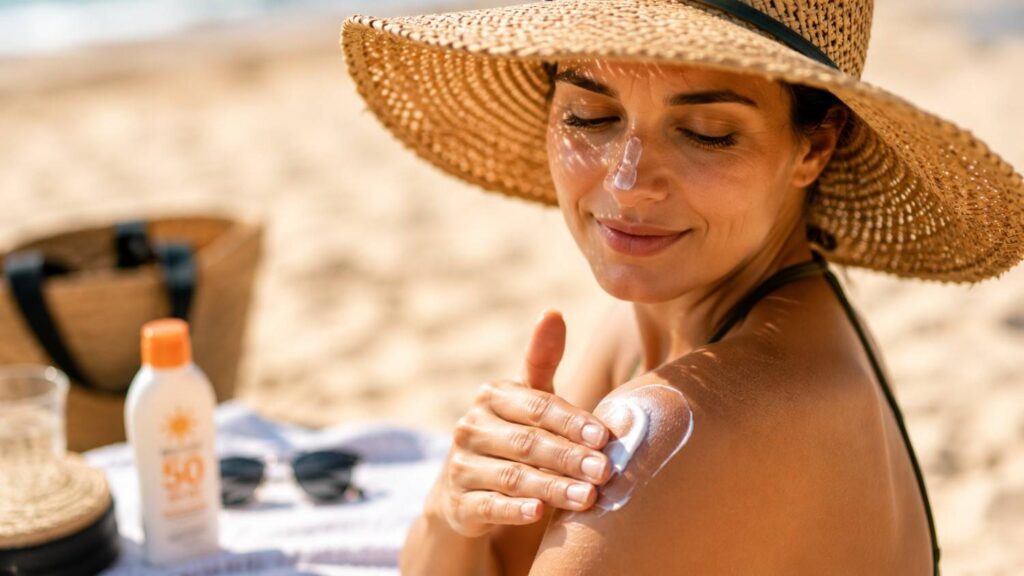
How to Protect Your Skin from Sun Damage: A Complete Daily Guide
Learning how to protect your skin from sun damage is important at every age and for every skin tone. Ultraviolet radiation can affect the skin during ordinary activities, including walking, commuting, working outside, driving, exercising, gardening, or spending time near reflective surfaces. Sun exposure is not limited to extremely hot days, and the absence of visible sunburn does not mean that no damage has occurred.
Repeated exposure can contribute to premature skin aging, uneven pigmentation, rough texture, fine lines, wrinkles, and changes in skin elasticity. It can also damage cellular DNA and increase the risk of skin cancer. Although lighter skin may burn more quickly, darker skin is not immune to UV-related damage and also benefits from consistent protection.
The good news is that effective sun protection can fit into a normal daily routine. It does not require avoiding the outdoors entirely or following an overly complicated skincare plan. The most reliable strategy uses broad-spectrum sunscreen together with shade, appropriate clothing, sunglasses, a protective hat, and sensible timing.
In my experience, the most successful routine is one that feels practical enough to repeat. A sunscreen that looks good on the skin, clothing that remains comfortable in warm weather, and simple reminders to reapply can make sun safety much easier to maintain. This guide explains each part of that routine in detail so beginners can build strong habits and more experienced readers can improve how they manage everyday UV exposure.
What Causes Sun Damage to the Skin?
Sun damage occurs when ultraviolet radiation reaches the skin and affects its cells, support structures, pigment-producing processes, and genetic material. The sun emits several forms of radiation, but UVA and UVB rays are the main types associated with skin damage. Their intensity can vary according to location, altitude, season, time of day, cloud conditions, and reflection from nearby surfaces.
The effects of exposure are not always immediate. Sunburn may become visible within hours, while pigmentation changes, loss of firmness, and wrinkles often develop gradually. A person may therefore accumulate damage for years before recognizing obvious signs. This delayed appearance is one reason daily prevention is more effective than waiting until skin changes become noticeable.
The skin has natural protective mechanisms, including melanin, which absorbs and disperses some UV radiation. However, natural protection varies and is not complete. Even people who rarely burn may experience changes in pigmentation, texture, or cellular health after repeated exposure.
Certain factors can increase sensitivity, including some medications, medical treatments, skincare ingredients, and health conditions. High altitudes, reflective water, snow, and long outdoor working hours can also increase exposure. Understanding these causes helps people make better decisions about sunscreen, clothing, activity timing, and the amount of protection needed in different environments.
| Source of UV Exposure | Potential Risk | Recommended Protection |
|---|---|---|
| Direct sunlight | Sunburn, premature aging, long-term skin damage | Sunscreen, protective clothing, shade |
| Reflected sunlight from water | Increased UV exposure | Reapply sunscreen and wear sunglasses |
| Sand and beaches | Reflection increases UV intensity | Hat, sunscreen, UV-protective clothing |
| Snow | Strong UV reflection, especially at higher elevations | Sunscreen, sunglasses, face protection |
| High-altitude environments | Greater UV exposure | Broad-spectrum sunscreen and protective clothing |
| Tanning beds | Artificial UV radiation linked to skin damage | Avoid use completely |
| Everyday outdoor activities (walking, commuting, gardening) | Gradual cumulative UV exposure | Daily sunscreen and protective accessories |
Understanding UVA and UVB Rays
UVA and UVB rays affect the skin in different but overlapping ways. UVA radiation has a longer wavelength and penetrates more deeply into the skin. It contributes significantly to photoaging, including loss of elasticity, fine lines, wrinkles, uneven pigmentation, and changes in skin texture. UVA exposure can occur throughout daylight hours and may pass through some types of glass, which is relevant for people who drive regularly or sit close to bright windows.
UVB radiation has a shorter wavelength and is strongly associated with sunburn. Its intensity often changes more noticeably with season, location, altitude, and time of day. UVB also plays an important role in the development of skin cancer by damaging cellular DNA.
Both forms of radiation can contribute to long-term harm, which is why broad-spectrum sunscreen is important. A product labeled only with an SPF value primarily describes protection against UVB-related sunburn. The term “broad spectrum” indicates that the sunscreen has also met requirements for UVA protection.
People cannot reliably detect UV exposure by heat or brightness. A cool, breezy, or partly cloudy day can still have a meaningful UV level. Checking the UV Index provides a more dependable indication of risk than judging conditions by temperature alone.
Visible and Long-Term Signs of UV Damage
The immediate signs of excessive UV exposure may include redness, tenderness, warmth, swelling, itching, blistering, or peeling. These symptoms are commonly associated with sunburn, but the absence of burning does not confirm that the skin has remained unharmed. Repeated exposure may cause less obvious changes below the surface before they become visible.
Long-term signs can include uneven skin tone, freckles, dark spots, rough texture, enlarged-looking pores, fine lines, deeper wrinkles, dryness, and reduced firmness. Dermatologists often use the term “photoaging” to describe aging changes caused or accelerated by ultraviolet radiation. Photoaging differs from natural chronological aging because it is strongly influenced by cumulative environmental exposure.
UV damage can also affect pigment production. Existing dark spots may become more noticeable after sun exposure, and some people develop persistent patches of hyperpigmentation. Those managing melasma or post-inflammatory marks often find that consistent sun protection is an important part of their skincare plan.
More seriously, ultraviolet radiation can damage DNA and contribute to abnormal cell growth. New, changing, bleeding, itching, or non-healing skin marks should be evaluated by a qualified healthcare professional. Prevention cannot remove all risk, but reducing cumulative exposure remains one of the most important protective actions.
How to Choose the Right Sunscreen
Choosing sunscreen should begin with protection level, coverage, water resistance, skin compatibility, and the likelihood that the product will be used consistently. Marketing claims, luxury packaging, or a high price do not automatically make one sunscreen more effective than another. The best sunscreen for sun damage prevention is generally a properly labeled product that feels comfortable enough to apply in the recommended amount.
Look for three essential features: broad-spectrum protection, SPF 30 or higher, and water resistance when swimming, exercising, or sweating is expected. Broad-spectrum coverage helps protect against both UVA and UVB radiation. SPF describes protection against sunburn-producing UVB rays when the product is applied under tested conditions.
Texture and finish are also important. Creams may suit dry skin, while gels and lightweight fluids may feel better on oily or acne-prone skin. Tinted formulas can reduce visible white residue and may be useful for people concerned about uneven pigmentation. Fragrance-free options may be better tolerated by sensitive skin.
Sunscreen should also fit the intended activity. A comfortable facial sunscreen may be ideal for everyday use but insufficiently water resistant for swimming. Conversely, a heavy sports formula may be effective outdoors but uncomfortable under makeup. Many people benefit from owning one daily face product and one durable body or activity sunscreen.
Look for Broad-Spectrum SPF 30 or Higher
A broad-spectrum sunscreen with SPF 30 or higher is widely recommended for routine protection. The SPF number indicates how much protection the product provides against UVB radiation under controlled testing conditions. It does not represent the number of minutes a person can remain safely in the sun, because exposure varies according to UV intensity, skin type, activity, application amount, and environmental conditions.
SPF 30 filters a high proportion of UVB radiation when applied correctly, but no sunscreen blocks all ultraviolet rays. Higher SPF products may provide additional protection and can be helpful for people who burn easily, have sun-sensitive conditions, use photosensitizing medication, or spend long periods outdoors. However, a higher number does not remove the need for generous application and regular reapplication.
The broad-spectrum label is equally important because UVA radiation contributes to premature aging, pigmentation changes, and skin cancer risk. A high-SPF product without adequate UVA coverage would not provide balanced protection.
Check the expiration date and packaging condition before use. Sunscreen that has expired, separated unusually, changed smell, or been stored for long periods in extreme heat may not perform as expected. Replacing old products and following label instructions helps maintain reliable coverage.
Compare Mineral and Chemical Sunscreens
Mineral sunscreens commonly use zinc oxide, titanium dioxide, or a combination of both as active ingredients. Chemical sunscreens use approved organic UV filters that absorb ultraviolet energy and convert it into a small amount of heat. Both categories can provide effective broad-spectrum protection when properly formulated, applied generously, and reapplied as directed.
Mineral formulas are often recommended for people with sensitive skin because zinc oxide and titanium dioxide may be less irritating for some users. They can also begin protecting immediately after an even application, although allowing the product to settle before exposure remains a useful practical habit. Traditional mineral sunscreens may leave a white cast, but newer tinted and micronized formulations often provide a more wearable finish.
Chemical formulas are frequently lighter, more transparent, and easier to layer under makeup. Some people prefer them for daily facial use, particularly in humid weather. However, individuals with sensitive eyes or reactive skin may find certain filters uncomfortable.
Neither category is automatically superior. The most suitable option depends on skin sensitivity, texture preference, cosmetic finish, activity level, and availability. A sunscreen that remains unused because it feels greasy, stings, or looks unsuitable offers little practical benefit. Consistent, correct application should guide the final choice.
Sunscreen Label Comparison
Sunscreen labels contain important information about coverage, water resistance, active ingredients, usage, and reapplication. Understanding these details makes it easier to select the right product for everyday wear, outdoor sports, swimming, children, or sensitive skin. Consumers should avoid relying only on promotional words such as “sport,” “natural,” or “all-day protection” without checking the regulated label instructions.
| Label Feature | What It Means | When It Is Useful |
|---|---|---|
| Broad spectrum | Provides tested UVA and UVB protection | Recommended for daily and extended outdoor use |
| SPF 30 or higher | Offers a strong level of UVB protection when properly applied | Appropriate for routine sun protection |
| Water resistant for 40 minutes | Maintains tested protection during water exposure or sweating for the stated period | Light swimming and moderate exercise |
| Water resistant for 80 minutes | Maintains tested protection for a longer period during water exposure or sweating | Extended swimming and demanding outdoor activity |
| Fragrance-free | Contains no added fragrance | May be better for sensitive or reactive skin |
| Non-comedogenic | Formulated to reduce the likelihood of blocking pores | Often preferred for acne-prone skin |
| Tinted sunscreen | Contains pigments that may improve cosmetic appearance | Helpful for deeper skin tones or pigmentation concerns |
Water resistance does not mean waterproof protection. Sunscreen must still be reapplied after the stated water-resistance period and after towel drying.
How to Apply Sunscreen Correctly
Correct application determines how much real-world protection sunscreen provides. Many users choose a suitable SPF but apply too little, miss important areas, or forget to reapply. When this happens, actual protection may be much lower than the number printed on the bottle.
Begin with clean, dry skin whenever possible. Apply sunscreen before leaving home so there is enough time to cover each area evenly rather than rushing after exposure has already begun. For facial use, sunscreen is normally applied after moisturizer and before makeup. Body sunscreen should cover every area not protected by clothing.
Quantity matters. An average adult needs approximately one ounce, or enough to fill a shot glass, to cover exposed body areas. Facial amounts vary according to the product and areas covered, but the layer should be generous and even rather than a few small dots spread too thinly.
Reapplication is necessary because sunscreen can break down, move, rub off, wash away, or become uneven. People outdoors for several hours should carry a product they can apply easily. Setting a phone reminder, storing sunscreen with sports equipment, or keeping a bottle near the door can make reapplication more consistent.
A systematic approach also reduces missed spots. Apply in the same order each time, such as face, ears, neck, arms, hands, legs, and feet.
Apply Enough Sunscreen Before Exposure
Sunscreen should be applied generously to dry skin before outdoor exposure. Many dermatology authorities recommend applying it approximately 15 minutes before going outside. This allows time to create an even film and reduces the chance of forgetting areas while already engaged in an activity.
For the body, an average adult may need roughly one ounce of sunscreen to cover exposed skin. Larger individuals or people wearing minimal clothing may need more. The product should form a visible, even layer during application and then be rubbed in according to label instructions.
The face requires attention beyond the central facial area. Cover the forehead, temples, nose, cheeks, chin, jawline, ears, hairline, and neck. Extend protection to the upper chest when it is exposed. People with thinning hair should protect the scalp with sunscreen or a suitable hat.
Other commonly missed areas include the backs of the hands, tops of the feet, ankles, shoulders, and the area around clothing edges. Use an SPF lip balm for the lips and reapply it regularly.
Applying too little creates gaps and reduces the protection achieved. When uncertain, it is generally more practical to apply a little extra than to spread a small quantity across too large an area.
Reapply Every Two Hours Outdoors
Sunscreen should generally be reapplied approximately every two hours during continued outdoor exposure. This timing is not based on SPF alone. It reflects the fact that products can become less even because of sweating, movement, touching, clothing friction, environmental conditions, and natural skin oils.
Reapplication should occur sooner after swimming, heavy sweating, towel drying, or any activity that visibly removes the product. Water-resistant formulas are designed to maintain tested protection for either 40 or 80 minutes in water or during sweating. Once that period ends, another application is required.
People often forget to reapply because sunscreen is not kept nearby. Carrying a travel-size bottle, setting a phone alarm, or linking reapplication to a regular event such as a meal or water break can improve consistency. Outdoor workers can include sunscreen in workplace safety supplies, while athletes can store it beside hydration equipment.
Do not assume a high SPF lasts all day. SPF 50 or SPF 100 products still require reapplication. The same principle applies on cloudy days or in cooler weather when the skin may not feel hot. UV exposure depends on radiation levels, not personal comfort.
Use Sunscreen With Makeup and Skincare
Sunscreen should normally be the final step of the morning skincare routine and the last product applied before makeup. A typical order is cleanser, treatment products, moisturizer, sunscreen, and cosmetics. Allowing each layer to settle briefly can reduce pilling and help the sunscreen form a more even film.
Choose compatible textures. A heavy moisturizer under a rich sunscreen may feel greasy, while several silicone-heavy layers can sometimes roll or pill. When this occurs, reduce unnecessary layers, allow more drying time, or select products with lighter textures.
Makeup containing SPF can provide supplementary coverage, but it should not replace a dedicated sunscreen. Most people do not apply foundation or powder in the amount required to achieve the labeled protection. Begin with a complete sunscreen layer and treat cosmetic SPF as an additional benefit.
Reapplying over makeup can be challenging. Lotions generally provide the most dependable coverage, but sunscreen sticks, cushions, or sprays may offer convenient options when used generously and according to instructions. Sprays should not be inhaled or directed into the face. Spray into the hands first, then apply carefully to facial areas while avoiding the eyes and mouth.
How to Protect Your Skin Beyond Sunscreen
Sunscreen works best when combined with physical and behavioral protection. Relying on one product creates vulnerabilities because sunscreen may be applied unevenly, forgotten, removed by water, or worn away during activity. Clothing, shade, hats, sunglasses, and timing reduce the amount of ultraviolet radiation that reaches the skin before sunscreen must manage the remaining exposure.
Protective clothing is particularly useful during long outdoor periods. A shirt, trousers, or long skirt covers a large area continuously and does not need reapplication. Some garments are designed with an Ultraviolet Protection Factor rating, while ordinary tightly woven clothing can also provide meaningful coverage.
Shade can lower direct exposure, especially during the strongest part of the day. However, shade should not create a false sense of complete safety because UV rays can be reflected or scattered. Sunscreen remains important beneath umbrellas, trees, canopies, or open-sided shelters.
Activity timing also matters. Moving exercise, gardening, sightseeing, or outdoor work to earlier morning or later afternoon may reduce exposure compared with midday. The exact peak period varies by season and location, making the UV Index more useful than relying on a fixed schedule alone.
Combining these methods makes sun protection more dependable, comfortable, and sustainable. It can also reduce the amount of sunscreen needed on large covered areas while maintaining strong protection for the face, hands, and other exposed skin.
| Sun Protection Method | Why It Helps | Best Time to Use |
|---|---|---|
| Broad-spectrum SPF 30+ sunscreen | Protects against UVA and UVB rays | Every morning and before outdoor activities |
| Wide-brimmed hat | Shades the face, ears, and neck | During prolonged outdoor exposure |
| UV-protective sunglasses | Helps protect the eyes and surrounding skin from UV rays | Whenever outdoors during daylight |
| Sun-protective clothing (UPF or tightly woven fabrics) | Reduces direct UV exposure to covered skin | Outdoor work, travel, sports, and beach visits |
| Seeking shade | Lowers direct sun exposure | Especially when the UV Index is high |
| Checking the UV Index | Helps plan outdoor activities more safely | Before spending time outside |
| Sunscreen reapplication | Maintains protection after time, sweat, or water exposure | Every two hours or sooner if needed |
Wear Sun-Protective Clothing
Sun-protective clothing creates a physical barrier between ultraviolet radiation and the skin. The level of protection depends on fabric density, weave, color, stretch, moisture, condition, and overall coverage. Tightly woven materials generally block more UV radiation than thin, loosely woven, or highly stretched fabrics.
Some garments carry an Ultraviolet Protection Factor rating. A UPF label indicates how much UV radiation can pass through the fabric under tested conditions. Higher-rated garments can be useful for hiking, swimming, fieldwork, travel, gardening, and other activities involving long exposure.
Coverage is equally important. Long sleeves, full-length trousers, high necklines, and longer hems protect more skin than minimal clothing. In hot climates, lightweight, breathable, loose-fitting garments can improve comfort without sacrificing coverage.
Hats should have a wide brim that shades the face, ears, scalp, and back of the neck. Baseball caps protect the forehead and part of the scalp but leave the ears and neck exposed. Sunglasses should provide UVA and UVB protection, and wraparound designs can reduce radiation entering from the sides.
Clothing can become less protective when wet, worn thin, or stretched tightly. Inspect older garments and continue using sunscreen on areas not completely covered.
Seek Shade and Plan Outdoor Activities
Shade reduces direct sunlight and can make outdoor activities more comfortable, but the quality of shade varies. Buildings, enclosed shelters, dense trees, canopies, and large umbrellas usually provide more coverage than small or open structures. Moving shade also changes as the sun travels, so an area that is protected in the morning may become exposed later.
Plan longer outdoor activities around local UV conditions. In many locations, UV radiation is strongest around the middle of the day. Scheduling walks, exercise, gardening, or outdoor work earlier in the morning or later in the afternoon can reduce exposure. However, peak periods vary, so checking the UV Index remains important.
Reflected radiation should also be considered. Sand, water, snow, light-colored concrete, and other bright surfaces can increase exposure even while a person is under partial shade. This is why sunscreen, clothing, and sunglasses remain necessary at beaches, pools, ski areas, and open urban spaces.
Portable shade can be useful during sports, picnics, outdoor events, or children’s activities. A canopy or umbrella should be positioned to cover the body fully rather than only the face. Reassess the position as the sun changes and continue reapplying sunscreen to exposed areas.
Check the UV Index
The UV Index is a standardized measure of the strength of sunburn-producing ultraviolet radiation at a specific place and time. It helps people judge exposure risk more accurately than temperature, cloud appearance, or personal comfort. A cool day can have a high UV Index, while a hot day may occasionally have a lower level because heat and ultraviolet intensity are not the same measurement.
When the UV Index reaches 3 or higher, sun-protection measures are generally recommended. As the number rises, unprotected skin can become damaged more quickly. High and extreme levels call for stronger precautions, including limiting midday exposure, seeking substantial shade, wearing covering clothing, and applying sunscreen carefully.
Check the index through a trusted weather service, public-health source, or mobile weather application. Review both the daily maximum and hourly forecast when planning a long event. The peak may occur for only part of the day, making it possible to move activities to a lower-risk period.
Altitude, latitude, season, cloud cover, and ozone conditions can affect UV levels. Travelers should not assume that the conditions at a new destination match those at home. Checking the local UV Index each morning is a simple habit that supports better decisions.
Sun Protection for Different Skin Types and Situations
Sun protection principles apply to everyone, but the ideal products and routines can vary considerably. Skin tone, sensitivity, dryness, oiliness, acne, age, occupation, medication use, climate, and activity level all influence what feels practical and effective.
People with darker skin may prioritize transparent or tinted formulas that do not leave a grey or white appearance. Sensitive skin may need fragrance-free products and a shorter ingredient list. Acne-prone users often prefer lightweight, non-comedogenic fluids, while dry skin may benefit from creams with moisturizing ingredients.
Lifestyle is another important factor. An office worker who spends limited time outside may need a comfortable daily facial sunscreen and protection during a short commute. An outdoor worker, athlete, gardener, or traveler needs a more durable routine with water resistance, frequent reapplication, protective clothing, and shade planning.
Children require age-appropriate products and physical protection. Older adults may need help applying sunscreen to difficult areas and should pay close attention to existing sun damage or changing skin marks. People using medications or treatments that increase photosensitivity should seek professional guidance and take additional precautions.
The goal is not to create entirely different rules for every person. The core strategy remains the same, but products and reminders should be adapted so that protection is comfortable, inclusive, and realistic.
Protection for Darker Skin Tones
Darker skin contains more melanin, which provides some natural protection against ultraviolet radiation. However, this protection is incomplete. People with deeper skin tones can still experience sunburn, premature aging, uneven pigmentation, melasma, and skin cancer. In some cases, skin cancer may be identified later because risk is underestimated or changes are less easily recognized.
Daily broad-spectrum sunscreen remains important. Cosmetic appearance is a common concern because some mineral products leave a visible white or grey cast. Tinted sunscreens, transparent chemical formulas, and modern micronized mineral products may provide a more suitable finish.
Sun protection is especially relevant for people managing hyperpigmentation. UV exposure can darken existing marks and make uneven tone more persistent. Tinted products containing iron oxides may also help people concerned about visible-light-related pigmentation, although individual recommendations should come from a dermatologist when pigmentation is severe.
Examine the skin regularly, including palms, soles, nails, and areas that receive limited sun. Any changing, bleeding, painful, itchy, or non-healing spot should be evaluated professionally. Skin cancer is less common in some darker skin populations but can still occur, making awareness and early assessment important.
Sensitive, Acne-Prone, or Dry Skin
Sensitive skin may react to fragrance, alcohol, preservatives, botanical extracts, or certain UV filters. A fragrance-free mineral sunscreen containing zinc oxide or titanium dioxide is often well tolerated, but no ingredient is suitable for everyone. Patch-testing a new product on a small area for several days can help identify irritation before full facial use.
Acne-prone skin generally benefits from lightweight, non-comedogenic sunscreens. Gel, fluid, or oil-free textures may feel less heavy and reduce shine. However, “non-comedogenic” does not guarantee that a product will suit every acne-prone person, so gradual testing remains helpful.
Dry skin may require a cream-based sunscreen with humectants, emollients, or barrier-supporting ingredients. Applying moisturizer first can improve comfort, but heavy layering may cause pilling. Selecting a moisturizing sunscreen can sometimes simplify the routine.
People with rosacea, eczema, or frequent eye irritation should avoid products that trigger burning or redness. Stop using a sunscreen if it causes persistent rash, swelling, severe stinging, or worsening inflammation. A dermatologist can help distinguish between irritation, allergy, and an underlying skin condition while recommending suitable alternatives.
Children, Outdoor Workers, and Active Adults
Children need reliable protection because early-life UV exposure contributes to cumulative skin damage. Use shade, protective clothing, hats, and age-appropriate sunscreen according to the product label and medical advice. Infants require particular care, and physical shade and covering clothing are often emphasized because their skin is delicate.
Outdoor workers face repeated exposure over many hours. Sunscreen should be treated as part of occupational safety rather than an optional cosmetic product. Employers can support protection by providing shade, scheduling breaks, supplying sunscreen, and allowing suitable hats and long-sleeved clothing.
Athletes and active adults should choose water-resistant formulas and reapply after sweating, swimming, or towel drying. Friction from straps, helmets, uniforms, and equipment can remove sunscreen from specific areas, so these locations should be checked regularly.
A practical routine may include applying sunscreen before leaving home, carrying a small bottle, reapplying during water or meal breaks, and using UPF clothing when possible. Activity-specific planning makes protection easier. Swimmers may prioritize rash guards, runners may need sweat-resistant facial sunscreen, and cyclists may require extra coverage on the neck, ears, hands, and legs.
Common Sun-Protection Mistakes to Avoid
Even people who use sunscreen regularly can make small mistakes that reduce protection. The most common problems include applying too little, missing areas, relying on makeup with SPF, forgetting to reapply, using expired products, and assuming sunscreen provides complete protection for the entire day.
Another frequent mistake is limiting sun protection to summer or beach holidays. UV exposure occurs throughout the year and during ordinary routines. Snow, water, sand, and pavement can reflect radiation, while high altitudes may increase intensity. Cloud cover may reduce visible brightness without eliminating harmful exposure.
People also misunderstand product labels. Water-resistant does not mean waterproof, and a high SPF does not mean all-day protection. Sunscreen can still be removed by swimming, sweat, towels, clothing, and touching the face.
Some users apply sunscreen only to the face while leaving the ears, neck, chest, hands, or feet unprotected. Others depend on a hat that does not cover the ears and neck or sit beneath an umbrella without considering reflected UV radiation.
Correcting these issues does not require a complicated routine. Applying an adequate amount, following the label, combining protection methods, and checking the UV Index can significantly improve consistency. The aim is to reduce avoidable gaps rather than pursue unrealistic perfection.
Applying Too Little or Missing Important Areas
Underapplication is one of the most common reasons sunscreen provides less protection than expected. A thin layer may look cosmetically elegant, but it may not deliver the level of protection measured during product testing. Use enough to create an even film over every exposed area.
A consistent application order helps prevent missed spots. Begin with the face, including the hairline, temples, eyelid area where appropriate, nose, cheeks, and jawline. Continue to the ears, neck, upper chest, arms, hands, legs, ankles, and feet. Ask for help with the back or other difficult-to-reach areas.
Pay attention to edges where clothing may shift. Sleeves, collars, swimwear, socks, and shoe openings can expose narrow strips of skin. The scalp also needs protection, particularly where hair is thin or parted.
Lips require an SPF lip balm, while hands need reapplication after washing. Sunscreen on the face may also be disturbed by wiping, sweating, or wearing masks and hats.
Do not continue using expired or visibly changed sunscreen. Check the expiration date, close the container properly, and avoid leaving it for long periods in direct heat. Product quality and application technique work together to determine real protection.
Relying on Sunscreen Alone
Sunscreen should be considered one component of a broader sun-protection plan. It can be applied unevenly, removed by water, or forgotten during long days. Clothing and shade reduce the amount of UV radiation reaching the skin and provide backup when sunscreen coverage is imperfect.
Wear a wide-brimmed hat rather than relying only on a baseball cap. Choose sunglasses that block UVA and UVB radiation, and cover larger skin areas with tightly woven or UPF-rated clothing. Schedule outdoor activities outside peak UV periods when possible.
Another mistake is using sunscreen to justify deliberate tanning or unlimited time outdoors. No sunscreen blocks all UV radiation, and protection decreases when the product is not reapplied. Tanning beds should also be avoided because they expose the skin to harmful artificial UV radiation.
Do not assume cloudy, windy, or cool weather removes the need for protection. Temperature does not measure UV intensity. Similarly, sitting under an umbrella may reduce direct exposure but does not block radiation reflected from sand, water, snow, or pavement.
The strongest routine uses sunscreen, shade, clothing, timing, and the UV Index together. This approach reduces dependence on any single measure and makes protection more reliable.
Quick Answer About How to Protect Your Skin from Sun Damage
Protecting the skin effectively requires more than applying sunscreen once in the morning. The strongest approach combines broad-spectrum sunscreen, protective clothing, shade, suitable timing, and regular awareness of the UV Index. Apply a water-resistant sunscreen with SPF 30 or higher to all exposed areas before going outside. Reapply it approximately every two hours during continued outdoor exposure and sooner after swimming, sweating, towel drying, or activities that remove the product.
Covering the skin provides an additional layer of protection. Wear tightly woven or UPF-rated clothing when practical, together with a wide-brimmed hat and sunglasses designed to block UVA and UVB radiation. Seek shade during periods of strong sunlight and adjust outdoor plans when the UV Index is high.
It is also important to avoid tanning beds and deliberate tanning. A tan is a visible response to ultraviolet exposure rather than a sign of improved skin health. Daily protection matters because sun damage develops gradually through repeated exposure during commuting, walking, sports, gardening, driving, and other routine activities. These habits help lower the risk of sunburn, uneven pigmentation, premature skin aging, and harmful cumulative UV exposure.
The Most Important Daily Habit
The most useful daily habit is applying broad-spectrum sunscreen consistently, even when no beach trip or long outdoor activity is planned. Many people associate sunscreen with hot summer days, yet routine exposure can occur while commuting, walking to shops, eating outdoors, exercising, driving, or sitting near a bright window. These short periods may seem insignificant individually, but they contribute to cumulative ultraviolet exposure over time.
Choose an SPF 30 or higher product that suits your skin type and daily routine. A lightweight fluid may work well under makeup, while a moisturizing cream may be more comfortable for dry skin. People who exercise, work outdoors, or live in humid climates may prefer a water-resistant formula.
Apply sunscreen to the face, ears, neck, chest, hands, and any other uncovered areas. Commonly missed places include the hairline, tops of the feet, lips, and the back of the neck. Making sunscreen part of the morning routine reduces the need to make a new decision every day. Consistency is usually more valuable than buying an expensive product that feels unpleasant and is rarely used.
Why Several Layers of Protection Work Better
Sunscreen is essential, but it should not be treated as a complete shield against ultraviolet radiation. People frequently apply less than the recommended amount, miss small areas, forget to reapply, or lose protection through perspiration and friction. Clothing, hats, shade, sunglasses, and thoughtful activity planning help compensate for these practical limitations.
Protective clothing offers continuous coverage as long as the fabric remains in place. A long-sleeved shirt, for example, does not need to be reapplied every two hours. A wide-brimmed hat can reduce direct exposure to the forehead, scalp, cheeks, ears, and neck, while sunglasses protect the eyes and delicate skin surrounding them.
Shade is another useful layer, especially during extended outdoor activities. However, shade alone may not eliminate exposure because UV radiation can be scattered or reflected by water, sand, pavement, and nearby surfaces. The most dependable routine therefore combines several methods. This layered approach improves protection without requiring any one product or behavior to work perfectly throughout the day.
Frequently Asked Questions
Questions about sunscreen and ultraviolet exposure often arise because sun protection advice can appear inconsistent or difficult to apply in everyday life. People may wonder whether SPF 30 is enough, whether sunscreen is needed on cloudy days, how frequently it should be reapplied, and whether darker skin requires the same level of care.
The answers usually depend on a combination of product instructions, activity level, environment, skin sensitivity, and duration of exposure. However, several principles remain consistent. Broad-spectrum protection is necessary because UVA and UVB radiation affect the skin differently. SPF 30 or higher is a widely accepted starting point. Sunscreen must be applied generously and reapplied during prolonged exposure.
Physical protection remains important even when sunscreen is used. Clothing, hats, sunglasses, and shade reduce direct exposure and help protect areas where sunscreen may be thin or missed. Checking the UV Index can guide daily decisions more accurately than relying on temperature or cloud appearance.
People with specific medical conditions, a history of skin cancer, photosensitizing medication, severe pigmentation, or persistent skin reactions should seek personalized advice from a dermatologist or qualified healthcare professional. The following answers provide general educational guidance for the most common search questions.
Is SPF 30 enough for daily use?
Broad-spectrum SPF 30 is generally considered an appropriate minimum for routine daily protection. When applied in the correct amount, it filters a high proportion of UVB radiation and helps reduce sunburn. The broad-spectrum label confirms that the product also provides tested UVA coverage.
Daily needs can vary. Someone who spends most of the day indoors with a brief commute may find SPF 30 suitable, while an outdoor worker, athlete, traveler, or person with highly sun-sensitive skin may prefer SPF 50 or higher. A dermatologist may also recommend stronger protection for people with a history of skin cancer, melasma, photosensitivity, or certain medical treatments.
The application amount matters more than many people realize. A thin layer of SPF 50 may provide less practical protection than a generous, even application of SPF 30. Reapplication is also necessary during continued outdoor exposure.
SPF should not be viewed as permission to remain in intense sunlight indefinitely. Combine sunscreen with clothing, shade, sunglasses, and a hat. No sunscreen blocks all UV radiation, regardless of the number printed on the label.
How often should sunscreen be reapplied?
Sunscreen should generally be reapplied approximately every two hours while a person remains outdoors. Reapplication should happen sooner after swimming, heavy sweating, towel drying, washing, or activities that rub the product away.
Water-resistant sunscreens are tested to maintain protection for either 40 or 80 minutes during water exposure or sweating. Once the stated period has passed, the sunscreen needs to be reapplied. Water-resistant does not mean waterproof, sweatproof, or suitable for all-day use without another application.
Indoor reapplication depends on exposure. Someone working away from windows all day may not need the same schedule as a person driving, sitting beside a sunny window, or repeatedly moving outdoors. Before leaving the office for lunch or an afternoon commute, refreshing sunscreen on exposed areas may be useful.
Practical reminders improve consistency. Keep sunscreen in a bag, desk, sports kit, or outdoor work area. Set a phone alarm during long events. Reapply SPF lip balm more frequently, especially after eating, drinking, or wiping the mouth.
Can skin be damaged on cloudy days?
Yes, skin can experience ultraviolet exposure on cloudy days. Clouds may reduce some UV radiation, but they do not consistently block all UVA and UVB rays. The skin can therefore burn or accumulate damage even when the sky appears overcast or the temperature feels cool.
Cloud conditions can change quickly, and thin or scattered clouds may allow substantial radiation to reach the ground. In some situations, light may also be scattered in ways that maintain meaningful exposure. The UV Index is a better guide than visual brightness.
When the UV Index is 3 or higher, protective measures are generally recommended. Apply broad-spectrum SPF 30 or higher, wear covering clothing and sunglasses, and seek shade during prolonged outdoor activities.
Cloudy-day exposure can be especially easy to underestimate because the skin does not feel as hot. People may remain outdoors longer, delay sunscreen application, or forget to reapply. This can occur during hiking, sports, sightseeing, gardening, or work.
Make sun protection a weather-independent habit. Checking the UV forecast each morning is more reliable than deciding based only on cloud cover.
Does darker skin need sunscreen?
Yes. Darker skin contains more melanin, which offers some natural protection, but it does not make the skin immune to ultraviolet damage. People with deeper skin tones can still experience sunburn, hyperpigmentation, photoaging, and skin cancer.
Sunscreen may be especially useful for people managing melasma, acne marks, or uneven pigmentation because ongoing sun exposure can make these concerns more persistent. A broad-spectrum SPF 30 or higher product can support both skin health and pigmentation management.
Cosmetic concerns often affect consistency. Some mineral sunscreens leave a white or grey cast on deeper skin tones. Tinted formulas, transparent chemical sunscreens, or newer mineral products may provide a more natural finish.
Skin cancer may be less common in some darker-skinned populations, but it can occur and may be detected later. Examine all areas of the body, including palms, soles, nails, and less sun-exposed locations. Seek professional assessment for any changing, bleeding, painful, itchy, or non-healing mark.
Sun protection recommendations apply to every skin tone, although product choice can be personalized for comfort and appearance.
Can sunscreen prevent dark spots and premature aging?
Consistent sunscreen use can reduce ultraviolet exposure that contributes to dark spots, uneven pigmentation, fine lines, wrinkles, rough texture, and loss of firmness. These changes are often described as photoaging because they are caused or accelerated by repeated exposure to sunlight.
Sunscreen cannot guarantee that pigmentation or wrinkles will never develop. Genetics, hormones, inflammation, skincare habits, environmental exposure, and natural aging also play important roles. However, sun protection reduces one of the most preventable contributors.
People treating hyperpigmentation should be particularly consistent. UV radiation can darken existing marks and make treatment results slower or less stable. Broad-spectrum sunscreen is essential, and tinted formulas containing iron oxides may offer added value for some pigmentation conditions.
Apply sunscreen every morning and reapply during outdoor exposure. Combine it with hats, shade, and clothing for stronger protection. Skincare treatments such as retinoids, vitamin C, or professional procedures cannot compensate for ongoing uncontrolled UV exposure.
A dermatologist can recommend a suitable routine when pigmentation is persistent, rapidly changing, or associated with another skin condition.
Should sunscreen be used indoors?
Sunscreen is most important when the skin is exposed to daylight, including during outdoor activity, driving, commuting, or sitting near bright windows. Whether indoor sunscreen needs reapplication depends on the amount and type of exposure.
UVB radiation is largely blocked by standard window glass, but some UVA radiation may pass through. People who work directly beside sunny windows, drive for long periods, or move frequently between indoor and outdoor spaces may benefit from making sunscreen part of their daily routine.
Someone working deep inside a building with limited natural light may have less exposure than a person sitting beside a large window. Individual circumstances therefore matter more than a simple rule that everyone must reapply every two hours indoors.
Daily morning sunscreen remains a practical habit because plans often change. A person may unexpectedly go outside for lunch, errands, a meeting, or exercise. Starting the day protected reduces the chance of unplanned exposure.
Use curtains, blinds, window films where appropriate, and move workspaces away from intense direct sunlight when possible. These measures can complement sunscreen rather than replace it.
Is mineral sunscreen better than chemical sunscreen?
Mineral sunscreen is not automatically better than chemical sunscreen, and chemical sunscreen is not automatically more effective. Both can provide strong broad-spectrum protection when they are properly formulated, applied generously, and reapplied according to instructions.
Mineral products use filters such as zinc oxide and titanium dioxide. They may suit sensitive skin and are often recommended for people who experience irritation from certain chemical filters. However, some mineral formulas feel heavy or leave a visible cast.
Chemical sunscreens often have lighter, more transparent textures. They may layer more easily under makeup and feel more comfortable in humid weather. Some users, however, experience eye stinging or sensitivity with particular filters.
The best choice is the product that meets essential protection standards and can be used consistently. Look for broad-spectrum coverage, SPF 30 or higher, and water resistance when needed. Consider skin type, finish, fragrance, activity level, and ease of reapplication.
People with persistent reactions should consult a dermatologist. Patch-testing can help identify tolerability, but professional guidance may be necessary when irritation is severe or recurring.
Conclusion
Understanding how to protect your skin from sun damage means moving beyond the idea that sunscreen is only needed during summer holidays or beach visits. Ultraviolet exposure occurs during ordinary routines, including commuting, walking, gardening, exercising, driving, outdoor work, and time spent near bright windows. Repeated small exposures can accumulate and contribute to sunburn, dark spots, uneven tone, photoaging, and skin cancer risk.
A dependable routine begins with a broad-spectrum, water-resistant sunscreen with SPF 30 or higher. Apply it generously to all exposed skin before going outside and reapply approximately every two hours during continued exposure. Reapply sooner after swimming, sweating, towel drying, or friction.
Sunscreen should be supported by physical protection. Wear covering or UPF-rated clothing, a wide-brimmed hat, and UV-protective sunglasses. Seek shade when sunlight is strong and use the UV Index to plan outdoor activities more safely.
The most effective plan is one that fits comfortably into daily life. Choose products that suit your skin type, keep sunscreen where it is easy to access, and use reminders when necessary. No routine eliminates every risk, but consistent protection can substantially reduce preventable UV exposure and support healthier-looking skin over time.
